
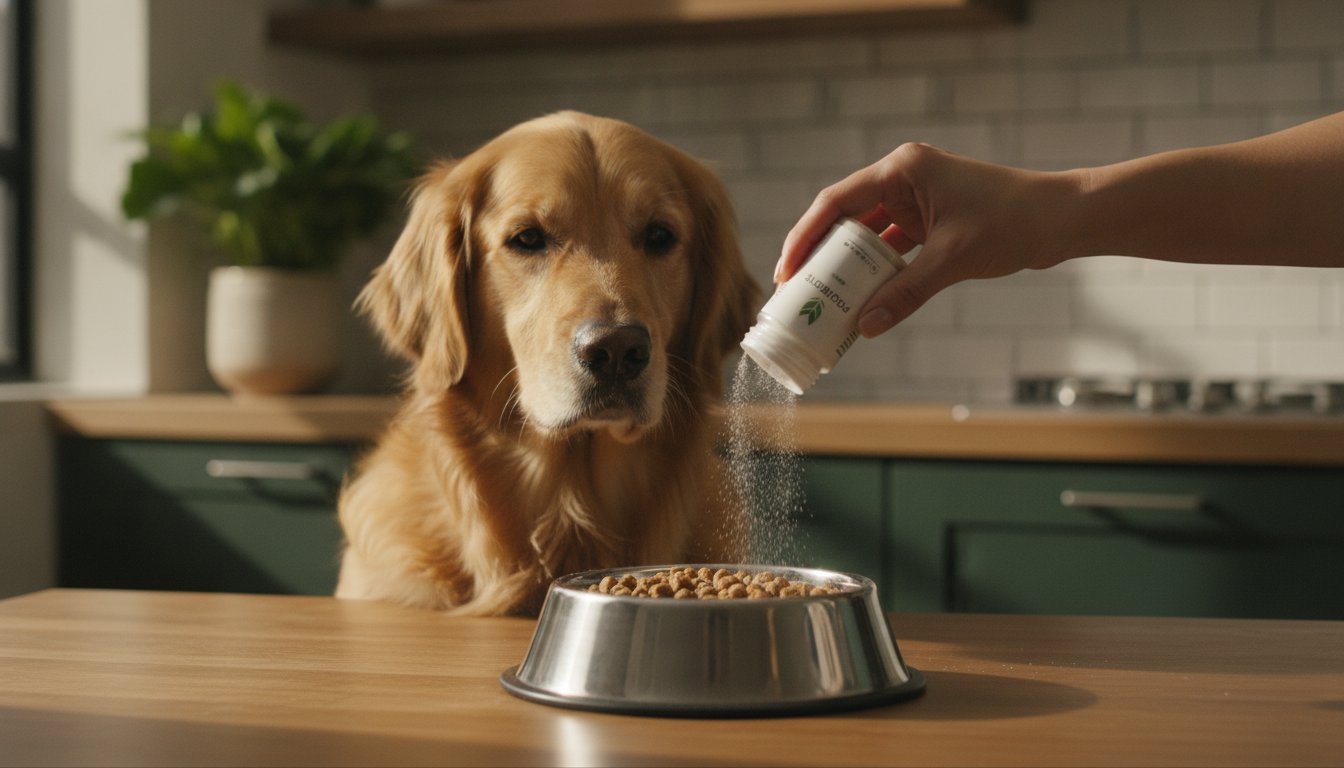
What if your dog’s immune system isn’t a static shield they’re born with, but a living muscle that requires daily training from within? It’s often heartbreaking to watch your companion struggle with persistent itchiness or a sudden dip in their usual spark. You’ve likely stared at supplement labels filled with marketing fluff, wondering if synthetic medications are the only path forward. We understand that vulnerability; it’s the same drive for purity and evidence that led us to explore the profound impact of probiotics for dog immune system resilience.
Recent 2026 data shows that up to 30% of dogs experience immune-related health issues, yet the key to recovery is often found in the gut microbiome. You’re right to be skeptical of vague claims. In this guide, we’ll bridge the gap between the laboratory and your living room, explaining the biological link between gut bacteria and your pet’s defense systems. We’ll provide a clear checklist for identifying high-quality strains and the precise 1-10 billion CFU dosages needed to restore your dog’s vitality and quiet those frustrating allergy symptoms for good.
Key Takeaways
- Understand the biological reality that 70-80% of your dog’s immune cells reside in the gut, making the microbiome the foundation of their physical defense.
- Discover how probiotics for dog immune system support function as “biological trainers” that modulate the production of essential compounds like butyrate to nourish the gut lining.
- Learn to navigate supplement labels by identifying specific, high-quality strains like Lactobacillus Acidophilus that are proven to support gut barrier integrity.
- Establish an effective daily routine by understanding the necessity of giving supplements with meals to aid their survival through the digestive tract.
- Identify the clinical markers of a superior, vet-approved supplement to restore your companion’s natural vigor and long-term resilience.
The Gut-Immune Connection: Why Your Dog’s Defense Starts Within
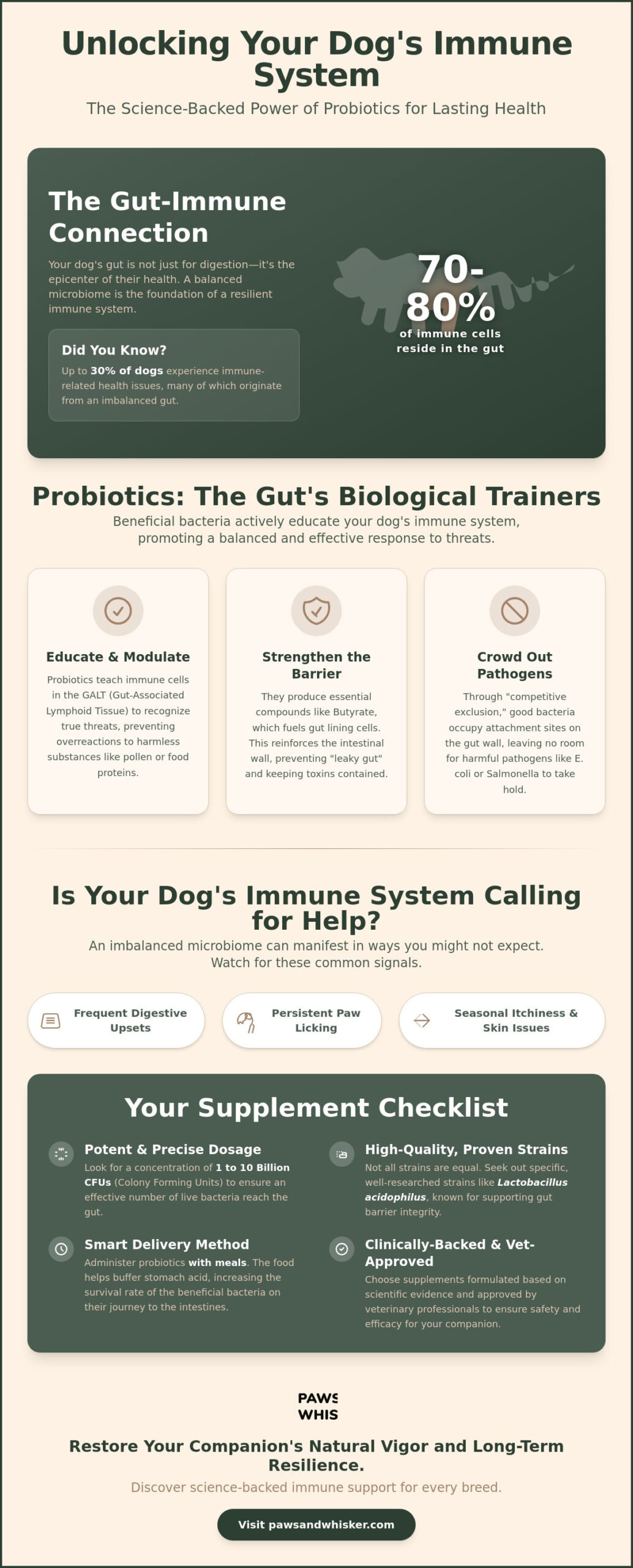
Your dog’s gut is a complex, bustling ecosystem teeming with trillions of microorganisms known as the microbiome. It’s easy to view the digestive tract simply as a place where food is processed, but it’s actually the epicenter of your companion’s health. The biological reality is staggering: approximately 70-80% of a dog’s immune cells reside directly within the gut lining. This isn’t an evolutionary accident. Because the gut is the primary interface between your dog’s internal organs and the external world, it must act as a fortified gateway that decides what is safe and what is a threat.
Within this gateway, a process called immune surveillance occurs constantly. Beneficial bacteria act as sentinels, signaling the body to respond to genuine pathogens while maintaining peace during harmless encounters. If you’ve ever wondered What are probiotics?, they’re essentially the living reinforcements that keep this surveillance system sharp. When the microbiome becomes unbalanced, a state known as dysbiosis, the immune system loses its training. This lack of direction often leads to systemic inflammation and the frustrating, recurring allergies that leave so many pet parents feeling helpless and worried about long-term health.
Understanding the GALT: Your Dog’s Internal Security Hub
The Gut-Associated Lymphoid Tissue, or GALT, is the specific biological structure where this internal defense is organized. Think of the GALT as a sophisticated training academy for immune cells. It’s here that T-cells and B-cells learn their primary directives through constant interaction with gut microbes. One of the most critical lessons taught in the GALT is oral tolerance. This is the process where the gut teaches the immune system to recognize harmless proteins, like those found in food or pollen, and ignore them. Without proper microbiome signaling, the GALT can’t provide this education, causing the immune system to overreact to the world around it. Using specific probiotics for dog immune system support helps ensure these lessons are clear and accurate.
Signs Your Dog’s Immune System Needs Microbiome Support
Your dog can’t tell you when their internal ecosystem is failing, but their body sends clear signals. Many owners notice red flags like persistent paw licking, seasonal itchiness, or frequent digestive upsets that don’t seem to have a clear cause. These symptoms are often the result of a “leaky gut,” where the intestinal barrier becomes permeable, allowing toxins to trigger systemic immune responses. If you’re seeing these signs, it’s a call for deeper allergy relief for dogs through microbiome restoration. By focusing on the gut, we move beyond masking symptoms with synthetic medications and start addressing the biological root of their discomfort.
The Science of Biological Training: How Probiotics Modulate Immune Response
Your dog’s immune system doesn’t just exist; it learns. To maintain peak health, it requires constant education, relying on probiotics for dog immune system health to act as “friendly trainers” for internal defenses. These beneficial bacteria don’t just sit idly in the digestive tract. They actively engage with immune cells, teaching them to distinguish between a harmless piece of chicken and a dangerous pathogen. This ongoing dialogue ensures that your dog’s body remains vigilant without becoming overactive, which is the primary cause of the chronic inflammation we see in modern pets.
One of the most profound ways these microscopic allies support your companion is through the production of Short-Chain Fatty Acids (SCFAs), specifically butyrate. As probiotics ferment dietary fibers, they release these fatty acids, which serve as the primary fuel source for the cells lining the gut. This strengthens the physical barrier, preventing “leaky gut” and ensuring that toxins cannot escape into the bloodstream. Beyond physical reinforcement, probiotics engage in competitive exclusion. By actively occupying attachment sites on the intestinal wall, these beneficial microbes ensure that harmful pathogens like E. coli or Salmonella simply have nowhere to land. They effectively crowd out the “bad guys” through sheer numbers and biological presence.
When an immune system becomes hyper-aware, it can trigger what scientists call a cytokine storm, or an overactive inflammatory response. This is often why we see dogs suffering from extreme skin redness or intense itching. High-quality probiotics help modulate these responses, signaling the body to dial down the production of pro-inflammatory cytokines. This restoration of balance is why many owners see a visible reduction in allergy symptoms after consistent supplementation. For dogs currently navigating these challenges, finding a science-backed allergy relief for dogs strategy often begins with this fundamental gut modulation.
The GI-Brain-Immune Axis: A Triad of Wellness
There is a powerful connection between your dog’s mental state and their physical resilience. A stressed dog produces high levels of cortisol, a hormone that actively suppresses immune function and leaves them vulnerable to illness. Researchers at Cornell University have explored The Gut-Immune Connection, highlighting how specific strains like Bifidobacterium longum can actually lower cortisol levels and reduce anxiety. By stabilizing the gut, you aren’t just helping their digestion; you’re creating a calmer, more biologically resilient animal. A peaceful mind often leads to a fortified body.
Post-Antibiotic Recovery: Restoring the Defensive Line
Antibiotics are life-saving tools, but they operate on a “scorched earth” policy, eliminating both harmful pathogens and the beneficial bacteria your dog needs. After a single course of medication, the microbiome can remain depleted for weeks or even months. This leaves your pet in a state of “immune debt,” where they are more susceptible to secondary infections or new allergies. Understanding the role of probiotics for dog immune system stability is vital during this recovery period. It typically takes 4 to 6 weeks of daily, high-dose supplementation to re-establish a healthy defensive line and ensure the gut barrier is fully restored after veterinary prescriptions.
Evaluating Probiotic Strains for Maximum Immune Resilience
Selecting the right probiotics for dog immune system support is much like choosing the right specialist for a delicate task. Not all bacteria serve the same purpose, and the “Strain Matters” rule is your most reliable guide to ensuring your companion receives effective care. While generic labels might promise a healthier gut, a scientist’s approach requires looking at the specific biological roles each strain plays in nurturing resilience. When we choose strains with precision, we move beyond marketing fluff and into the realm of clinical efficacy.
Three specific strains stand out for their ability to fortify a dog’s natural defenses:
- Lactobacillus Acidophilus: This serves as the foundation for gut barrier integrity. It’s essential for maintaining the tight junctions of the intestinal lining, which prevents harmful toxins from leaking into the bloodstream.
- Bifidobacterium Animalis: This strain is specifically linked to reducing the duration of immune challenges. It helps your dog’s body respond more efficiently to environmental stressors, ensuring they spend less time feeling under the weather.
- Enterococcus Faecium: Known for its exceptional hardiness, this strain is a survivor. It’s capable of navigating the highly acidic environment of the canine stomach to ensure active bacteria actually reach the lower gastrointestinal tract.
Finding the right dosage is equally critical. Current 2026 veterinary recommendations suggest that 1 to 10 billion Colony Forming Units (CFUs) represents the “Goldilocks zone” for daily maintenance. This range provides enough biological reinforcements to be effective without overwhelming the delicate ecosystem of the microbiome. According to Cornell University on the gut-immune connection, the specific strains used determine the overall efficacy of the supplement in supporting systemic health.
The CFU Myth: Is More Always Better?
It’s easy to assume that a product offering 50 billion CFUs is superior to one offering 5 billion, but quantity never trumps quality or stability. Colony Forming Units (CFUs) are the measure of viable, active bacteria present in each serving. Many lower-quality supplements boast high numbers “at the time of manufacture,” yet these bacteria often die off before the product ever reaches your dog. Always look for a “Live at Expiration” guarantee to ensure the probiotics for dog immune system health you’ve invested in are actually alive and functional when consumed.
Stability and Delivery: Ensuring the Bacteria Reach the Gut
The journey from the bottle to the gut is treacherous for microscopic organisms. Canine stomach acid is significantly more potent than our own, designed to break down raw proteins and bone, which can easily neutralize fragile bacteria. This is why delivery format matters. Many high-quality dog supplements use soft chews or specialized powders that prioritize clean-label stability and protect the bacteria during transit. By choosing a stable, hardy delivery method, you ensure your dog’s internal security hub receives the reinforcements it needs to maintain lifelong vitality.
Implementation Strategy: Integrating Probiotics into Your Dog’s Wellness Routine
Establishing a routine is the bridge between scientific potential and the visible vitality you want for your companion. To maintain effective colonization levels, you must integrate probiotics for dog immune system support into their daily schedule. Timing is everything. Administering these supplements alongside a full meal provides a necessary biological buffer. This mealtime protection neutralizes potent stomach acid, ensuring the beneficial bacteria survive their journey into the lower gastrointestinal tract where they are needed most. Without this simple step, the survival rate of even the hardiest strains can drop significantly.
The Prebiotic Synergy: Fueling the Good Guys
Probiotics are living organisms that require specific fuel to thrive and replicate. Prebiotics, such as Inulin or Fructooligosaccharides (FOS), function as the “lunchbox” for these beneficial reinforcements. When these two elements are paired, they create a synbiotic relationship that fosters a far more resilient gut environment than probiotics alone. You can incorporate natural prebiotics through small amounts of dog-safe foods like chicory root or steamed asparagus. These fibers provide the essential energy required for your dog’s internal sentinels to outcompete harmful pathogens and maintain a fortified gut barrier.
Consistency vs. Pulse Feeding
Many pet parents fall into the trap of “pulse feeding,” only providing supplements when symptoms like paw licking or digestive upset flare up. The microbiome is a dynamic, rapidly shifting ecosystem that demands constant reinforcement to remain balanced. Daily maintenance is significantly more effective than occasional high-dose boosts. During the first 30 days of a consistent routine, you should observe a steady transformation in your dog’s overall vigor. Use this checklist to monitor their progress:
- Energy Levels: Is your dog showing more sustained stamina and less lethargy during daily walks?
- Coat Quality: Does the fur feel softer, and is the skin less prone to redness or “hot spots”?
- Digestive Health: Has stool consistency become firm and predictable, indicating a stabilized microbiome?
To support this daily restoration of health, our Allergy & Immune Support Chews provide a vet-approved blend of hardy strains and prebiotics to nurture your dog’s long-term resilience. By committing to a daily schedule, you are giving your companion the tools they need for a life of strength and movement.
Choosing Paws & Whiskers: Science-Backed Immune Support for Every Breed
Finding a path toward true health for your companion often feels like navigating a maze of empty promises and complex labels. We believe that your dog deserves a solution rooted in clinical integrity rather than marketing convenience. Our Allergy & Immune Support Chews were developed to serve as a holistic bridge between nature’s wisdom and the laboratory’s precision. By providing a targeted blend of probiotics for dog immune system resilience, we help you move beyond simply managing symptoms toward a state of genuine, gut-derived restoration. Every chew is a commitment to your pet’s long-term vitality, crafted with the same care you’d use for any other cherished family member.
Safety is the cornerstone of our formulation process. Unlike many brands that outsource production to unverified facilities, our supplements are manufactured exclusively in FDA-registered, US-based facilities. This ensures that every batch meets rigorous standards for purity and potency, giving you the peace of mind that what’s on the label is exactly what’s in the chew. Because the microbiome requires consistent “training” to remain effective, we’ve designed a subscription model that ensures your dog never misses a day of their wellness routine. This steady reinforcement is what transforms a temporary boost into a lifetime of biological strength.
The Clean-Label Difference: No Fillers, Just Results
The pet supplement industry is often clouded by “proprietary blends” that hide low-quality ingredients behind a wall of vague terminology. We choose transparency instead. Our chews are free from the artificial colors, flavors, and hidden fillers that can inadvertently trigger the very immune sensitivities you’re trying to soothe. For those caring for aging companions, there is a powerful synergy when you combine our immune support with our Joint Support Chews. This dual approach addresses the systemic inflammation that often impacts both mobility and gut health, providing a comprehensive shield for senior dogs.
A Commitment to Longevity and Vitality
Paws & Whiskers exists to be a “Wise Caretaker” for the animals who give us so much. We’ve personally felt the worry of watching a pet struggle, and that empathy drives our mission to provide science-backed hope. Our vision is one of restoration, where your dog is defined by their vigor and movement rather than their allergies or discomfort. By focusing on probiotics for dog immune system health, we are helping you write a better story for your pet, one filled with strength and joyful exploration. Nurture your dog’s immune resilience with our Allergy & Immune Support Chews today.
Restoring Your Dog’s Natural Vitality from Within
Your dog’s health is a legacy project built through small, daily acts of scientific care. We’ve explored how the gut serves as the primary training ground for their internal defenses and why selecting the right probiotics for dog immune system support is the key to quiet skin and high energy. By focusing on high-quality strains and maintaining a consistent routine, you’re doing more than just feeding a supplement; you’re fortifying their future. Every choice you make to prioritize their microbiome is a step toward a life defined by strength and movement rather than discomfort.
At Paws & Whiskers, we bring this vision to life with vet-approved formulations manufactured in FDA-registered US facilities. With over 500+ five-star reviews from dedicated pet parents, our mission remains rooted in the hope of restoration and physical vigor for every breed. Secure your dog’s immune future with our science-backed Allergy & Immune Support Chews. There’s a vibrant, itch-free life waiting for your companion, and it starts with a healthy gut.
Frequently Asked Questions
Can I give my dog human probiotics for their immune system?
While human probiotics aren’t typically harmful, they’re formulated for a completely different biological ecosystem. Dogs have a distinct gut microbiome with specific pH levels and bacterial requirements that differ from our own. It’s best to use species-specific supplements to ensure the strains can actually colonize and provide the intended benefits for your companion’s long-term resilience.
How long does it take for probiotics to start helping my dog’s allergies?
Most pet parents see visible improvements in allergy symptoms within 4 to 6 weeks of consistent daily use. This timeline allows the beneficial bacteria to stabilize the gut lining and begin the process of modulating the immune response. Clinical results, such as reduced skin redness and less frequent scratching, require this period for the biological training of immune cells to take full effect.
Are there any side effects when starting a dog on probiotics?
Some dogs experience mild digestive changes like gas or temporary loose stools during the first few days of supplementation. These are rarely cause for alarm; they simply indicate that the internal ecosystem is shifting as new bacteria arrive. If these symptoms persist beyond three days, you can try halving the dose and gradually increasing it to allow for a gentler transition for your pet’s system.
Can puppies take probiotics for immune system development?
Probiotics are highly beneficial for puppies because their immune systems are still in a critical development phase. Since a vast majority of their defense cells live in the gut, providing probiotics for dog immune system health early helps establish oral tolerance. This early intervention may reduce the likelihood of your puppy developing severe environmental or food allergies as they grow into adulthood.
Do probiotics really help with my dog’s itchy skin?
Probiotics help with itchy skin by addressing the root cause of the overactive immune response rather than just masking the symptoms. When the gut barrier is reinforced and the microbiome is balanced, the systemic inflammation that causes skin redness and intense itching begins to subside. It’s a science-backed way to quiet the body’s internal alarms and restore your dog’s comfort naturally.
What happens if I stop giving my dog probiotics?
If you stop supplementation, your dog’s microbiome will likely return to its previous state within a few weeks. The gut is a dynamic environment that requires constant reinforcement to stay balanced against environmental stressors and pathogens. Without regular input, the beneficial bacteria leave the system, and the immune system may lose the direction it needs to remain resilient and calm over time.
Is it better to give probiotics on an empty stomach or with food?
It is much better to give probiotics with a meal rather than on an empty stomach. Food acts as a biological buffer that neutralizes potent canine stomach acid, which would otherwise destroy many of the delicate live bacteria. This simple adjustment ensures that a higher percentage of the microorganisms survive the journey to the lower intestine to begin their work supporting the probiotics for dog immune system mission.
Can probiotics help my senior dog’s immune system?
Senior dogs benefit immensely from microbiome support as their natural immune vigor often declines with age. Probiotics help manage the chronic, low-grade inflammation frequently seen in aging pets, supporting both their digestive efficiency and their systemic health. We often recommend pairing these with joint support to provide a comprehensive approach to wellness that keeps older dogs moving comfortably.
Disclaimer
The information provided in this article is for educational and informational purposes only and is not intended as veterinary advice. Every dog is unique, and health concerns should be discussed with a licensed veterinarian. Always consult your veterinarian before introducing new supplements, changing your dog's diet, or beginning any health or wellness program, particularly if your dog has a medical condition, is pregnant or nursing, or is taking prescription medications.