
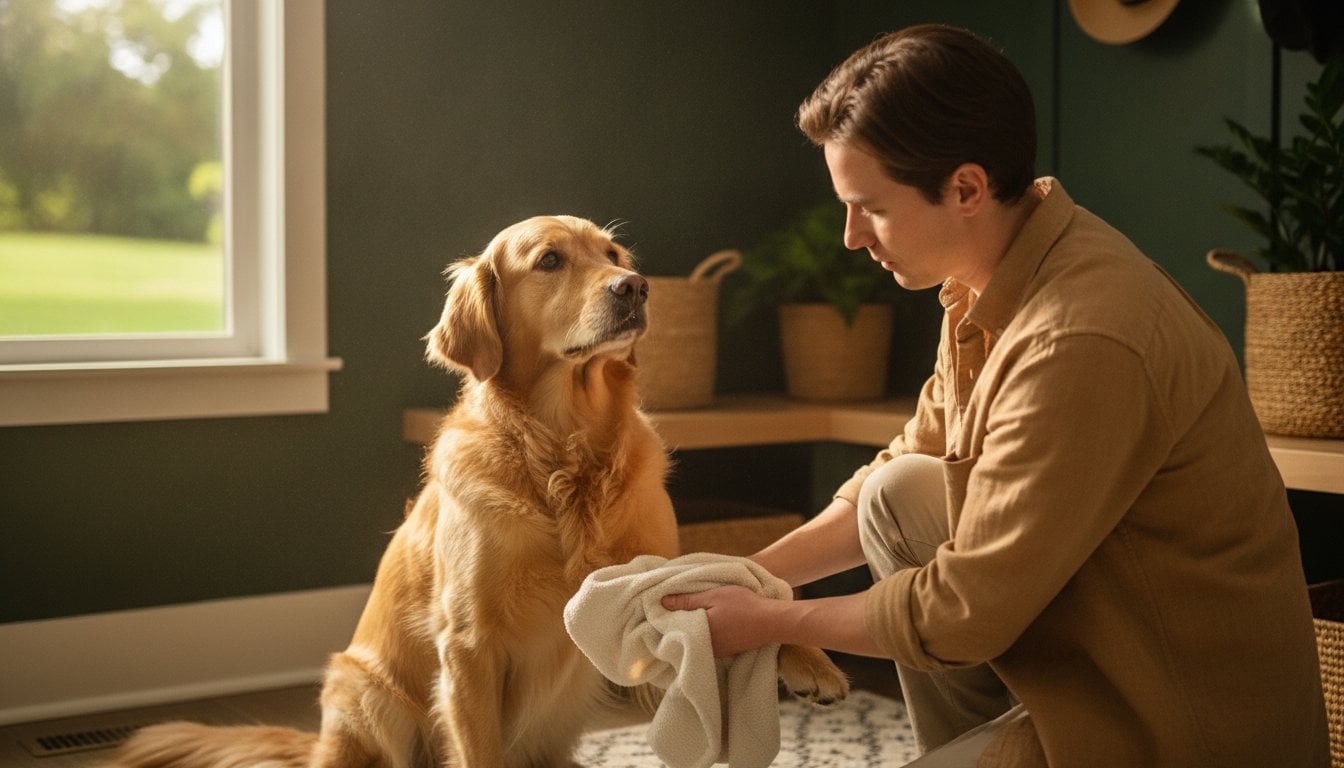
Pollen seasons in North America now begin 20 days earlier and carry 21% more allergens than they did in 1990, leaving our companions in a state of constant, invisible struggle. You’ve likely felt that familiar sense of helplessness as you watch your dog scratch until they bleed, wondering if the only answer lies in expensive injections or steroids with worrisome side effects. We understand that your dog is an integral family member, and seeing them in discomfort is a weight no pet parent should carry alone. If you’re searching for how to help dog with seasonal allergies, you need a strategy that addresses both the air they breathe and the internal resilience of their immune system.
This 2026 guide is designed to bridge the gap between clinical science and nurturing care. You’ll discover how to break the cycle of inflammation using a dual-front approach that combines environmental management with pure, botanical-based internal support. We will walk through the latest 2026 medical advancements, including the recent approvals of NUMELVI and Befrena, while focusing on a sustainable supplement routine that actually works. By the end of this article, you’ll have a clear, evidence-based roadmap to transform your itchy pet into a calm, rejuvenated companion once again.
Key Takeaways
- Identify the red flag behaviors, such as compulsive paw licking and head shaking, that signal your dog’s unspoken discomfort and immune system distress.
- Reduce your pet’s allergen load with a simple post-walk routine that removes environmental triggers from their coat before they enter your home.
- Learn how to help dog with seasonal allergies by fortifying their internal resilience through gut health and essential Omega-3 fatty acids.
- Navigate the 2026 landscape of relief options by comparing the quick fixes of traditional medication with the sustainable benefits of holistic support.
- Establish a long-term vitality plan using an Allergy Journal to track triggers and ensure your companion remains calm and itch-free throughout the year.
Recognizing Seasonal Allergies: Is Your Dog Truly Comfortable?
Your dog’s skin is their first line of defense, but for many, it becomes a source of relentless agitation. Seasonal allergies, scientifically known as atopy, occur when a dog’s immune system overreacts to otherwise harmless substances in the air. This overactive response turns a simple walk in the park into a cascade of inflammation that disrupts their natural balance. When you’re learning how to help dog with seasonal allergies, the first step is recognizing that their behavior isn’t just a habit; it’s a plea for relief. Atopy is an inherited predisposition to develop allergic symptoms to environmental allergens.
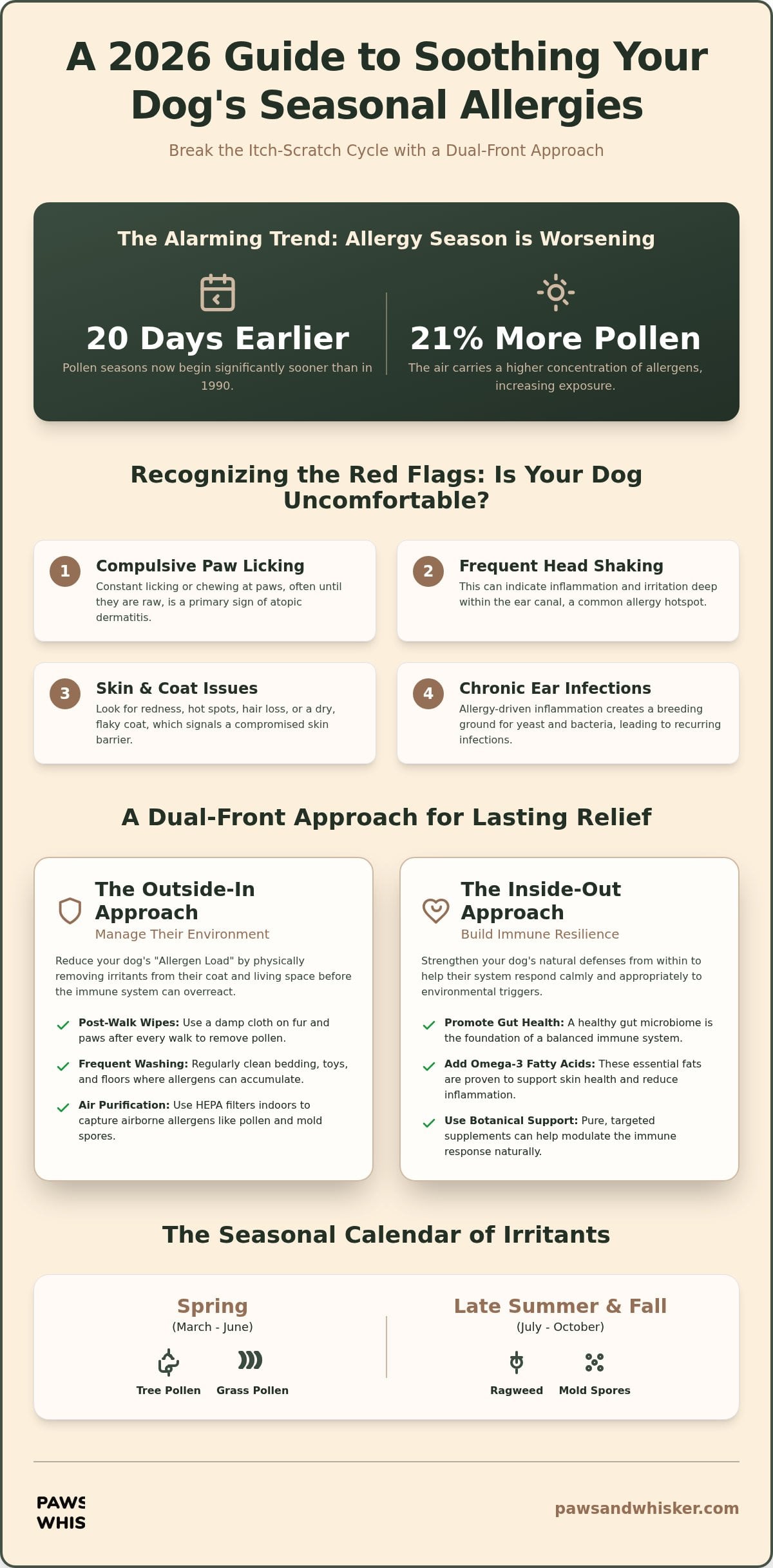
Watch for the subtle shifts in your companion’s daily routine. Compulsive paw licking, frequent head shaking, and “boot scooting” across the carpet are classic red flags of an internal struggle. While these actions might seem like minor annoyances, they often signal deep-seated irritation that the animal cannot escape. For a comprehensive overview of canine allergies, it’s helpful to understand that these behaviors are physical responses to microscopic invaders like pollen or mold spores. Understanding these signals is the cornerstone of being a wise caretaker for your pet.
Distinguishing between triggers is vital for long-term vitality. Seasonal allergies are typically tied to the life cycles of plants, surging when trees bloom or ragweed takes hold. In contrast, year-round irritants like dust mites or storage mites persist regardless of the weather. Identifying this timing helps you decide whether you’re fighting a temporary seasonal battle or managing a permanent environmental condition. Knowing how to help dog with seasonal allergies requires this specific awareness of their unique triggers.
The cost of untreated allergies isn’t just physical. Chronic itching disrupts a dog’s restorative sleep, leading to a visible decline in their temperament and overall vigor. A dog who was once playful may become irritable or lethargic simply because they are exhausted by the constant need to scratch. Restoring their comfort is about more than just skin health; it’s about returning them to their true, happy selves and ensuring they feel secure in their own bodies.
Common Symptoms That Mimic Other Issues
Many pet parents are surprised to learn that chronic ear infections are often the first sign of a seasonal allergy. The inflammation in the ear canal creates a perfect breeding ground for yeast and bacteria. Similarly, what looks like a sudden hot spot is often the result of general allergic dermatitis where the skin barrier has been compromised. This leads to the “Itch-Scratch Cycle,” where the dog’s attempts to find relief through scratching cause micro-tears in the skin. These tears invite secondary bacterial infections that complicate the recovery process.
The Seasonal Calendar of Irritants
Spring brings a surge of tree and grass pollen that can coat your dog’s fur in minutes. As the year progresses into late summer and fall, ragweed and mold spores found in damp leaves become the primary antagonists. This seasonal rhythm means your dog’s needs will fluctuate throughout the year. By anticipating these peaks, you can provide targeted immune support before the discomfort becomes overwhelming.
The Outside-In Approach: Managing Your Dog’s Environment
Every time your dog steps outside, they act like a living magnet for pollen, dust, and mold spores. This buildup creates what experts call the “Allergen Load.” It’s not just one single grain of pollen that causes the scratch; it’s the cumulative weight of thousands of microscopic irritants clinging to their coat and paws. As noted by VCA Animal Hospitals on dog allergy treatments, reducing this external contact is a critical first step. By managing the environment, you lower the threshold of irritation before the immune system even has a chance to react.
Implementing a 5-minute post-walk routine is one of the most effective ways to provide immediate relief. When you return from an excursion, use a damp cloth or a gentle pet wipe to remove surface debris from their fur, belly, and legs. This simple act prevents them from bringing the outdoors into their sleeping space. If you’re struggling with how to help dog with seasonal allergies, remember that consistency is your greatest ally. Removing these triggers immediately stops them from migrating from the fur to the skin, where the real inflammation begins.
Your home should be a sanctuary, not a reservoir for irritants. Using HEPA air purifiers can capture up to 99.97% of airborne particles, while laundering pet bedding in hot water at least once a week kills dust mites and removes lingering pollen. However, be cautious with specialized grooming. While keeping them clean is essential, bathing your dog too frequently can strip away natural oils. This weakens the skin barrier and actually makes them more vulnerable to the very allergens you’re trying to wash away.
The Power of the Paw Wipe
The spaces between your dog’s toes are perfect allergen traps. These warm, moist areas hold onto pollen and mold, which is why so many dogs lick their paws incessantly after being outside. To clean them effectively, gently spread the pads and wipe deep into the crevices with a soft cloth. For a more thorough cleanse, a quick paw soak using a mixture of water and organic apple cider vinegar can help neutralize irritants and soothe inflamed skin before they have a chance to track those allergens onto their bed.
Maintaining a Low-Allergen Sanctuary
Control the environment where your dog spends the most time to ensure their body can rest and recover. Keep indoor humidity between 30% and 50% to prevent mold growth, and always choose scent-free, non-toxic cleaning agents for floors and crates. When selecting bedding, opt for tightly woven fabrics like microfiber or specialized anti-allergy covers that don’t harbor dust mites. Supporting their external environment is just as important as choosing high-quality Allergy & Immune Support Chews to fortify their internal resilience from within.
The Inside-Out Approach: Building Immune Resilience
True restoration begins where the eye cannot see. While managing the environment is a vital step in reducing the external burden, a holistic approach focuses on fortifying the body’s internal defenses to prevent the overreaction before it starts. Many conventional methods focus on masking symptoms with temporary fixes; however, a science-backed strategy prioritizes modulating the immune response itself. When you’re looking for how to help dog with seasonal allergies, the goal isn’t just to stop the itch. It’s to create a internal biology that remains calm and resilient even when the world is filled with pollen and mold. By focusing on immune modulation, you move from a state of constant crisis management toward a legacy of long-term vitality.
The Role of the Gut Microbiome
It’s a striking scientific reality that approximately 70% of a dog’s immune system resides in the digestive tract. This means the gut is the primary training ground for the body’s defense mechanisms. Probiotics and prebiotics act as essential messengers that help “re-train” the immune system to distinguish between a genuine threat and a harmless environmental trigger. Maintaining this delicate internal balance is the foundation of canine immune health. When the microbiome is diverse and healthy, the body is less likely to release the cascade of histamines that leads to red, inflamed skin and compulsive scratching.
Essential Nutrients for Skin Integrity
A robust skin barrier acts as the ultimate physical shield against the microscopic invaders discussed in our environmental management section. Omega-3 fatty acids, specifically EPA and DHA derived from clean sources, are the biochemical building blocks of this barrier. These nutrients work at a cellular level to maintain the epidermal moisture barrier, which prevents irritants from penetrating the deeper layers of the tissue. Omega-3s strengthen the ‘bricks and mortar’ of the skin cells. By pairing these fatty acids with potent antioxidants, you can help neutralize the oxidative stress caused by chronic inflammation, allowing the skin to rejuvenate and heal from within.
For dogs with existing sensitivities, the purity of their support routine is paramount to their recovery. Clean-label purity ensures your companion isn’t ingesting hidden fillers, artificial colors, or synthetic additives that could further aggravate an already stressed immune system. Utilizing targeted solutions like Allergy & Immune Support Chews or Skin & Coat Omega-3 Soft Chews ensures that every ingredient serves a specific purpose in your dog’s wellness journey. This commitment to transparency and rigorous formulation reflects a dual philosophy of scientific authority and deep affection, providing the clinical reassurance every pet parent deserves while honoring the unspoken discomfort of the animals we love.
Comparing Relief Options: Meds, OTC, and Supplements
Speed is often the most seductive quality when you’re watching your companion suffer. When you search for how to help dog with seasonal allergies, you’ll find a wide spectrum of choices ranging from pharmaceutical “quick fixes” to long-term botanical support. While prescription medications and over-the-counter (OTC) antihistamines offer rapid relief by blocking the body’s immediate allergic response, they often fail to address the underlying immune dysregulation. For many pet parents, the goal is a sustainable path that avoids the “rebound effect” where symptoms return with a vengeance once the medication wears off.
Common OTC options like Benadryl, Zyrtec, and Claritin are frequently used to dampen mild itching. Benadryl is widely accessible but often causes significant lethargy, which can mask a dog’s personality. Zyrtec and Claritin are generally less sedating, yet their efficacy in dogs is notoriously variable. If your dog is in severe allergic distress, evidenced by open sores, intense heat in the skin, or a complete loss of appetite, immediate prescription intervention is necessary. However, even when medications are required to manage an acute flare-up, natural support should remain your baseline strategy to maintain the skin barrier and immune balance.
The Hidden Dangers of Low-Quality Supplements
Not all support is created equal, and some products can actually exacerbate the very issues you’re trying to solve. Many mass-market options are laden with “fillers” like corn, soy, and artificial flavors, which are common allergens themselves. To ensure safety and potency, always look for products manufactured in FDA-registered facilities. A “Vet-Approved” label should represent a rigorous standard of formulation, ensuring that each botanical ingredient is included in a concentration that is both safe and biologically active for your pet’s specific needs.
The Baseline Strategy: Daily Support
Restoring vitality is a marathon, not a sprint. Proactive daily tools like Allergy & Immune Support Chews are designed to work with your dog’s biology over time. Unlike drugs that work in hours, natural supplementation requires an “accumulation phase,” typically lasting about 30 days, to fully integrate into the cellular structure. We recommend a 30-day wellness trial to observe the gradual shift from a state of agitation to one of calm, rejuvenated comfort. This steady approach allows the body to build its own defenses, creating a legacy of health that lasts far beyond the current pollen season.
Choosing the right path for your companion means balancing clinical necessity with a heart-centered approach to long-term well-being. Explore our Skin & Coat Omega-3 Soft Chews to begin fortifying your dog’s natural defenses today.
Nurturing Your Dog Back to Vitality: A 2026 Action Plan
Restoring your dog’s comfort is a journey that requires a harmonious blend of environmental vigilance and biological support. This 2026 action plan unifies the three pillars we’ve explored: managing the environment to reduce the allergen load, optimizing nutrition to soothe the gut, and providing targeted support to modulate the immune response. When you understand how to help dog with seasonal allergies through this holistic lens, you move beyond temporary relief toward a state of lasting rejuvenation. Your role as a wise caretaker is to provide the steady, nurturing environment your companion needs to thrive despite the shifting seasons.
One of the most powerful tools in your arsenal is an Allergy Journal. By recording daily observations alongside local pollen counts and weather patterns, you can begin to identify the specific triggers that affect your dog’s unique biology. Note the intensity of their scratching, the color of their skin, and even their energy levels after a walk. This data-driven approach allows you to anticipate flares before they reach a crisis point, giving you the foresight to adjust their routine proactively. Your intuition, paired with these concrete observations, is often the best medicine an animal can receive.
Consistency is the non-negotiable factor in any long-term wellness strategy. The immune system relies on steady, reliable signals to remain in a state of calm. If you’re wondering how to help dog with seasonal allergies effectively, remember that missing even a few days of support can lead to a sudden surge in histamine levels, undoing weeks of progress. Maintaining a rigorous schedule ensures that the skin barrier remains fortified and the internal defenses stay balanced, preventing the itch-scratch cycle from restarting.
The Paws & Whiskers Daily Routine
- Morning: Administer Allergy & Immune Support Chews to establish a baseline of resilience before the day’s environmental exposure begins.
- Evening: Provide Skin & Coat Omega-3 Soft Chews to facilitate barrier repair and cellular rejuvenation while your dog rests.
- Weekly: Perform a deep clean of all pet bedding in hot water and schedule a soothing, natural shampoo session to rinse away accumulated microscopic irritants.
A Commitment to Long-Term Health
True vitality is built over a lifetime of intentional care and ingredient transparency. Choosing clean-label purity means you are protecting your dog from the hidden fillers and synthetic additives that often trigger sensitivities in the first place. To ensure your companion never faces a gap in their protection, consider a subscription model that delivers their essential nutrients exactly when they are needed. This commitment to a seamless routine reflects a dual philosophy of scientific rigor and deep affection. We invite you to explore our science-backed Allergy & Immune Support solutions and take the final step in your dog’s journey back to comfort and vigor.
A Legacy of Comfort and Shared Vitality
Watching your dog find relief is a transformation that touches the heart of every pet parent. By shifting from reactive crisis management to a proactive daily routine, you’ve mastered the most effective way of how to help dog with seasonal allergies. You now possess a clear roadmap to reduce the external allergen load while simultaneously fortifying your companion’s internal resilience. This balanced approach ensures that your dog’s immune system remains calm, allowing their true, playful personality to shine through once again.
Our formulations are meticulously prepared to bridge the gap between nature and the laboratory. We prioritize clean-label purity with no artificial fillers, ensuring that your pet receives only the highest quality support. Every batch is manufactured in FDA-registered US facilities to provide the clinical reassurance you deserve. Whether your companion is a small lap dog or a large adventurer, our nurturing support is designed to meet their specific needs. It’s time to move toward a state of hope and restoration.
Secure your dog’s comfort with our Vet-Approved Allergy & Immune Support Chews and begin their 30-day journey toward rejuvenation. Your intuition and dedicated care are the greatest gifts you can give your pet.
Frequently Asked Questions
Can I give my dog Benadryl for seasonal allergies?
You can give your dog Benadryl, but it’s often more of a sedative than a long-term solution for chronic itchiness. While it can dampen the immediate histamine response, many dogs experience significant drowsiness or a “rebound effect” where symptoms return quickly once the medication wears off. For a more sustainable approach on how to help dog with seasonal allergies, focus on building internal resilience rather than relying solely on temporary antihistamines.
How can I tell if my dog has food allergies or seasonal allergies?
Distinguishing between these two requires observing the timing and location of the irritation. Seasonal allergies typically flare during specific months, such as the spring or fall, while food sensitivities persist year-round regardless of the weather. Seasonal issues often manifest as itchy paws, watery eyes, and ear inflammation; however, food allergies frequently involve chronic digestive upset alongside skin issues.
What are the best natural supplements for a dog with itchy skin?
The most effective natural supports include Omega-3 fatty acids, probiotics, and botanical antioxidants. Omega-3s strengthen the skin’s moisture barrier, while probiotics balance the gut microbiome to prevent an overactive immune response. Look for clean-label Allergy & Immune Support Chews that use these science-backed ingredients to restore vitality and address the unspoken discomfort of your companion from the inside out.
Why is my dog licking his paws constantly during the spring?
Your dog licks his paws in the spring because they act as “allergen traps” for microscopic pollen and mold spores. These irritants get wedged between the toes and pads, causing intense localized inflammation that the dog tries to soothe by licking. Implementing a consistent paw-wiping routine after every walk is a simple but powerful way to reduce the allergen load and stop the licking before it leads to a secondary infection.
Is it safe to give my dog allergy chews every day?
Yes, it’s safe and recommended to give your dog high-quality allergy chews every day to maintain a steady state of immune health. Consistency is the key to preventing the sudden flares that occur when the body is caught off guard by a pollen spike. By providing daily support, you ensure there are no gaps in their protection, helping the skin barrier remain resilient throughout the entire allergy season.
How long does it take for dog allergy supplements to start working?
Most high-quality supplements require an “accumulation phase” of approximately 30 days to reach full biological efficacy. While some dogs show subtle improvements in skin hydration or coat shine within the first two weeks, the deep immune modulation takes time to integrate into their system. Patience is vital when learning how to help dog with seasonal allergies using a holistic, science-backed approach that prioritizes long-term restoration over quick fixes.
What are the most common seasonal allergy triggers for dogs?
The most frequent triggers include tree pollen in the spring, grass pollen in the summer, and ragweed or mold spores in the autumn. These environmental particles are inhaled or absorbed through the skin, triggering an overactive immune response in sensitive animals. Identifying which of these coincides with your dog’s itchy season allows you to be more prepared with environmental management and targeted nutritional support.
Can seasonal allergies cause ear infections in dogs?
Seasonal allergies are a leading cause of chronic ear infections because they trigger inflammation in the delicate lining of the ear canal. This inflammation creates a warm, moist environment where yeast and bacteria can flourish. If your dog frequently shakes their head or has red, waxy ears during high pollen months, it’s a sign that their environmental allergies are affecting more than just their skin and require a dual-front management strategy.

Disclaimer
The information provided in this article is for educational and informational purposes only and is not intended as veterinary advice. Every dog is unique, and health concerns should be discussed with a licensed veterinarian. Always consult your veterinarian before introducing new supplements, changing your dog's diet, or beginning any health or wellness program, particularly if your dog has a medical condition, is pregnant or nursing, or is taking prescription medications.