
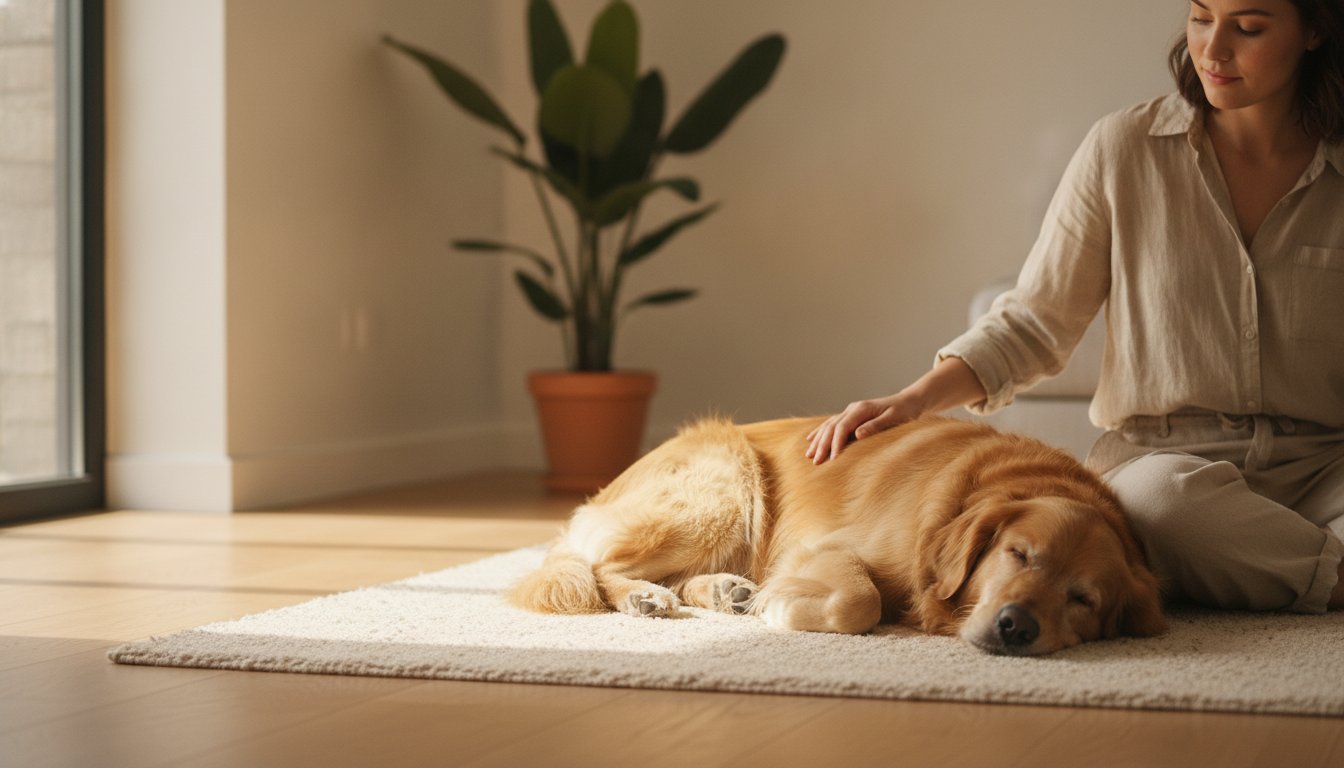
What if the secret to silencing your dog’s relentless seasonal itching isn’t found in a medicated cream, but deep within their digestive system? It is heartbreaking to watch your companion suffer through constant paw licking and skin irritation while you struggle to decode complex supplement labels that promise the world but deliver very little. You know your dog deserves better than a cycle of expensive vet visits that only mask the symptoms without addressing the underlying cause. We understand the frustration of seeing your animal in hidden distress, and we believe there is a more holistic, heart-centered way to restore their well-being.
By focusing on high-quality probiotics for dog allergies, you can learn to rebalance the delicate microbiome that serves as your dog’s immune headquarters. This shift doesn’t just soothe the skin; it silences the overactive immune response responsible for chronic discomfort. In this scientist’s guide, we will explore the latest 2026 standards for therapeutic CFU counts and the emerging role of synbiotics in animal wellness. You will discover how to select formulations that foster a stronger, more resilient immune system, leading to a shinier coat and a much happier, itch-free life for your loyal family member.
Key Takeaways
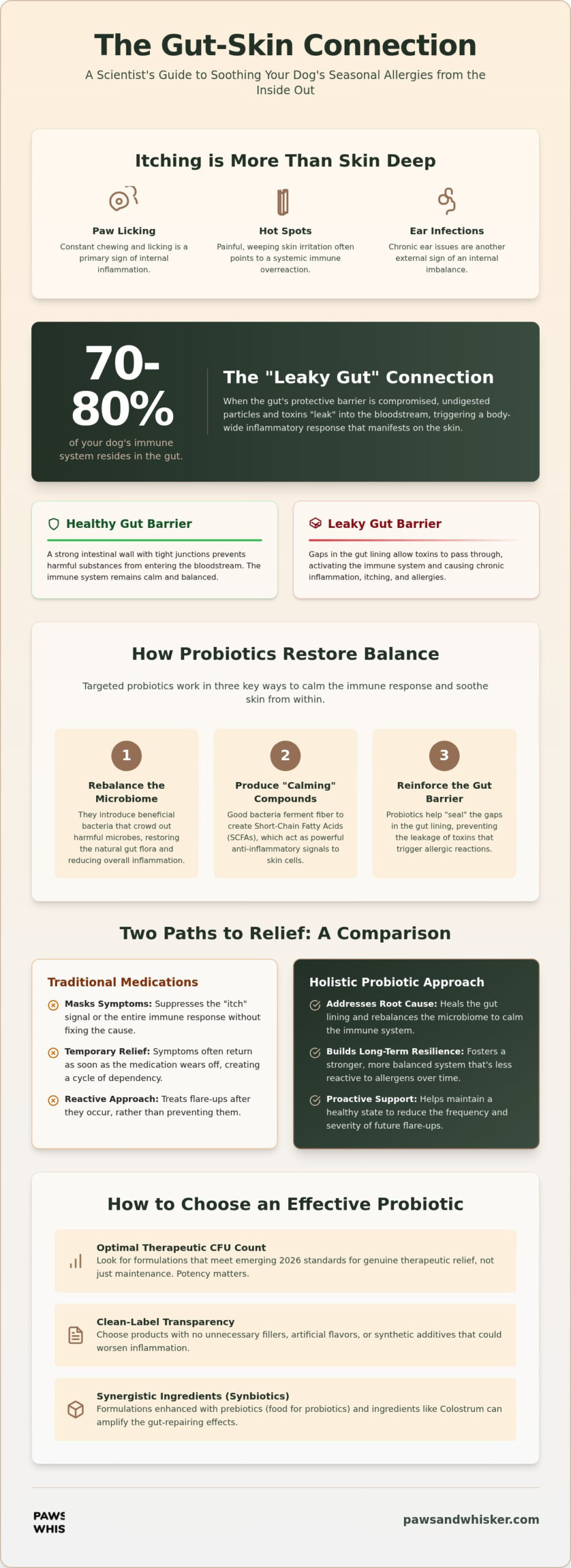
- Understand why 70-80% of your dog’s immune system resides in the gut and how a “leaky” barrier triggers the systemic inflammation behind constant scratching.
- Discover how specific beneficial microbes produce short-chain fatty acids that actively communicate with skin cells to soothe irritation from the inside out.
- Learn how to evaluate probiotics for dog allergies by prioritizing clean-label transparency and identifying the optimal CFU count for genuine therapeutic relief.
- Master a stress-free introduction routine that avoids digestive upset and emphasizes the long-term consistency needed for lasting immune resilience.
- Explore how a holistic, vet-approved approach using synergistic ingredients can serve as a powerful alternative to synthetic medications for chronic seasonal allergies.
Understanding the Immune Connection: Why Dog Allergies Begin in the Gut
Your dog’s skin is a mirror of their internal health. When you see them chewing their paws or dealing with a red, angry hot spot, it’s easy to focus only on the surface. However, true relief starts much deeper. Scientific research confirms that 70% to 80% of a canine’s immune system lives within their digestive tract. This makes the gut the “command center” for how your pet responds to environmental triggers like pollen, dust, or food proteins. By integrating specific probiotics for dog allergies, you aren’t just treating a surface-level symptom; you’re speaking directly to the source of their discomfort.
Understanding the Gut Microbiome is essential for any pet parent dealing with chronic itching. This complex ecosystem of bacteria regulates inflammation throughout the entire body. When the intestinal barrier becomes compromised, a condition often called “Leaky Gut” occurs. This allows undigested food particles and toxins to slip into the bloodstream, triggering a systemic immune overreaction. Instead of ignoring these invaders, the body enters a state of high alert. This internal chaos manifests externally as the common signs of gut-driven allergies, including persistent paw licking, chronic ear infections, and those painful, weeping hot spots.
The Hidden Distress of an Imbalanced Microbiome
Modern life can be surprisingly hard on a dog’s internal balance. Highly processed diets and necessary but disruptive antibiotic treatments often wipe out the “friendly” bacteria that keep the immune system calm. Think of your dog’s allergy threshold as a “histamine bucket.” When the gut is healthy, the bucket is empty and can handle environmental triggers. Dysbiosis is a state of microbial imbalance that directly links to canine atopy, causing that bucket to overflow at the slightest hint of seasonal change. Restoring this balance with probiotics for dog allergies helps empty the bucket, giving your dog’s body the breathing room it needs to heal.
Why Traditional Allergy Meds Often Fall Short
Many owners find themselves trapped in a frustrating cycle of steroid shots or synthetic immunosuppressants. While these treatments provide temporary peace, they often function by simply blocking the “itch” signal or suppressing the immune response entirely. They don’t repair the underlying dysfunction. This leads to recurring flare-ups the moment the medication wears off, leaving your pet in a state of perpetual vulnerability. A more sustainable approach involves building long-term resilience through the gut-skin axis. Utilizing a targeted solution like Allergy Relief Soft Chews for Dogs helps reinforce this biological pathway. This allows beneficial microbes to communicate directly with skin cells, lowering inflammation and helping your loyal companion finally feel comfortable in their own skin again.
The Gut-Skin Axis: How Probiotics Modulate the Canine Allergy Response
The gut-skin axis is a biological highway that connects your dog’s internal world to their external comfort. This communication network allows the trillions of microorganisms in the digestive tract to send chemical signals directly to the skin’s surface. When you introduce high-quality probiotics for dog allergies, you’re essentially providing the blueprints for a calmer immune system. These beneficial bacteria ferment dietary fibers to produce short-chain fatty acids (SCFAs). These compounds, particularly butyrate, enter the bloodstream and act as powerful anti-inflammatory agents that tell skin cells to stop the cycle of redness and irritation.
A robust intestinal barrier is your dog’s first line of defense against environmental allergens. Probiotics act like a protective sealant, filling the microscopic gaps in the gut lining that otherwise allow toxins to trigger systemic reactions. To enhance this effect, we look to colostrum. This nutrient-dense ingredient provides essential antibodies and growth factors that work synergistically with probiotics. It helps the beneficial strains colonize more effectively while providing the raw materials needed to repair a damaged gut wall, ensuring the immune system stays focused on real threats rather than harmless pollen.
Specific Strains for Itchy Dogs
Not all bacteria are created equal when it comes to dermatological health. Strains from the Lactobacillus and Bifidobacterium families are particularly adept at modulating the allergic response. These “friendly” microbes don’t just sit there; they actively compete for space and resources against opportunistic pathogens like Malassezia. This common yeast is often the culprit behind the “corn chip” smell on paws and greasy, inflamed skin. By crowding out these invaders, probiotics prevent secondary infections before they start. For dogs struggling with persistent fungal issues, integrating a targeted Yeast Relief Powder for Dogs can provide the extra reinforcement needed to break the cycle of infection.
Reducing the Histamine Response Naturally
A balanced microbiome does more than just soothe skin; it re-educates the entire immune system. Current Veterinary Research on Probiotics suggests that consistent supplementation can lower the production of IgE antibodies, the specific proteins that trigger histamine release. This process, known as “oral tolerance,” teaches your pet’s body that common triggers like grass or food proteins aren’t dangerous enemies. To fuel this transformation, prebiotics are essential. These non-digestible fibers act as the “food” for your dog’s beneficial bacteria, ensuring the anti-allergy microbes thrive and multiply. Supporting this internal balance with a comprehensive Allergy & Immune Support Chew helps create a foundation of lasting wellness, moving your companion from a state of constant reaction to one of vibrant resilience.
Evaluating Efficacy: What Makes a Probiotic Effective for Skin Irritation?
Choosing the right probiotics for dog allergies requires looking past flashy marketing to the hard science of formulation. A high-quality supplement must be more than a collection of bacteria; it must be a precision-engineered tool designed to survive the harsh environment of the canine stomach. Many lower-grade products lose their potency before they even leave the shelf, or worse, the beneficial microbes are destroyed by stomach acid before they can colonize the gut. True efficacy depends on shelf-stability and the use of hardy, dog-specific strains that are biologically equipped to thrive in your pet’s digestive tract.
There is a common misconception that a higher number of Colony Forming Units (CFUs) always leads to better results. However, a randomized controlled trial on probiotics for skin allergies indicates that strain specificity and viability are far more important than sheer volume. For most dogs, a therapeutic dose between 1 to 10 billion CFUs is the gold standard for modulating an overactive immune response. Beyond the bacteria itself, the manufacturing environment is a critical safety factor. Vet-approved formulations produced in FDA-registered facilities provide the clinical reassurance that your companion is receiving a pure, potent product free from cross-contamination.
The Danger of Hidden Fillers in Allergy Supplements
It’s a painful irony that many supplements designed to help with allergies actually contain hidden triggers. Inactive ingredients like corn, soy, or wheat are frequently used as cheap binders or flavorings, yet these are some of the most common allergens for sensitive dogs. We advocate for a “Clean Label” imperative, where botanical origins and ingredient transparency take center stage. If you’re struggling to navigate the sea of confusing labels, our sibling article on Allergy Relief for Dogs: A Scientist’s Guide to Nurturing Immune Resilience (2026) offers a deeper dive into identifying these hidden irritants.
Synergistic Ingredients: Beyond Just Bacteria
While probiotics address the internal immune response, your dog’s skin also needs direct structural support to heal. Omega-3 fatty acids are essential for repairing the physical skin barrier, acting as the “mortar” between the “bricks” of skin cells. Pairing a probiotic routine with Salmon Oil for Dogs provides the high-potency EPA and DHA needed to reduce surface inflammation and restore a lustrous coat. Furthermore, look for formulations that include Quercetin and Bromelain. Often referred to as “nature’s antihistamines,” these plant-based compounds work alongside beneficial bacteria to stabilize mast cells and dampen the histamine release that leads to that frantic, late-night scratching.
A Caretaker’s Roadmap: Implementing a Probiotic Routine for Allergy Relief
Restoring your dog’s internal balance is a marathon, not a sprint. While we all wish for an overnight transformation, the biological reality of the microbiome requires a steady, methodical approach. Healing is a journey that requires patience and meticulous observation from a dedicated caretaker. Starting slow is the most compassionate way to introduce probiotics for dog allergies. Begin with a half-dose for the first week to allow your pet’s digestive system to adjust to the influx of new, beneficial microbes. This gradual transition helps avoid minor digestive upsets, such as temporary gas or loose stools, which can occur as the internal ecosystem shifts.
Consistency is the heartbeat of restoration. Daily administration beats “as-needed” dosing because the microbiome needs a steady supply of beneficial microbes to maintain its new, healthy state. Skipping doses allows opportunistic bacteria to regain their foothold, potentially resetting the progress you have worked so hard to achieve. As you move through this routine, keep a close eye on your dog’s stool quality and skin condition. Firm, consistent stools are often the first sign that the gut is stabilizing, even before the itching begins to subside.
The 12-Week Microbiome Restoration Timeline
Realistically, you should expect a 90-day window for full immune modulation. During weeks one through four, the body focuses on internal stabilization. You might even see a brief “detox” phase where skin issues slightly flare before they improve. By weeks four through eight, most owners report a significant reduction in redness and a noticeable decrease in the intensity of paw licking. Finally, between weeks eight and twelve, you will likely witness full coat rejuvenation and the establishment of long-term immune maintenance. This is the stage where your dog’s resilience is truly forged.
Environmental Support for Allergic Dogs
Probiotics are a powerful tool, but they work best as part of a holistic care plan. Combining internal support with external management can accelerate the healing process. Consider implementing simple paw rinses after walks to remove environmental allergens like pollen and mold before they can trigger a reaction. Diet also plays a massive role; a hypoallergenic or limited-ingredient diet ensures you aren’t constantly adding fuel to the inflammatory fire.
Emotional well-being is another often-overlooked factor in gut health. There is a direct link between a calm dog and a healthy gut. High-stress levels can disrupt the delicate microbial balance, making it harder for supplements to do their job. For high-stress allergy sufferers, integrating Calming Soft Chews for Dogs can provide the emotional stability needed for the gut to heal effectively. To begin your dog’s journey toward lasting comfort, we recommend starting with a targeted Allergy & Immune Support Chew that prioritizes purity and scientific efficacy.
Nurturing Resilience: The Paws & Whiskers Approach to Allergy Support
Our philosophy at Paws & Whiskers is built on the belief that scientific rigor and deep affection aren’t mutually exclusive. We created Allergy Relief Soft Chews for Dogs to serve as a definitive answer for families exhausted by the cycle of temporary fixes. These chews aren’t just another treat; they’re a meticulous formulation of probiotics for dog allergies designed to target the immune system’s root responses. By choosing a path that prioritizes organic well-being, you’re moving away from the clinical coldness of traditional medications and toward a heart-centered approach to restoration.
A healthy microbiome is a living, breathing entity that requires constant nourishment. This is why we advocate for a consistent routine, supported by our flexible subscription model. Gaps in supplementation can cause the delicate balance of beneficial bacteria to shift, potentially inviting the return of that familiar, frantic scratching. We use only high-quality, natural ingredients and strictly avoid artificial fillers like corn or soy that so often trigger the very reactions you’re trying to stop. Every chew is a promise of purity, crafted to ensure your dog’s recovery is as gentle as it is effective. We don’t just sell products; we partner with you in your pet’s life story.
Science-Backed, Heart-Centered Wellness
Our formulation process is rigorous and transparent. We manufacture every batch in a US-based, FDA-registered facility to ensure the highest standards of safety and potency. This professional validation means you don’t have to guess about the quality of what you’re putting in your animal’s bowl. We believe that clinical reassurance should accompany every purchase. A clean label is the ultimate act of care for a sensitive dog because it removes the burden of hidden allergens from their already taxed immune system. This meticulous preparation is what sets our probiotics for dog allergies apart from mass-market alternatives.
Join the Paws & Whiskers Legacy
We invite you to transform your pet’s life story from one of hidden distress to one of visible vigor. Watching your dog move with comfort and strength is the greatest reward for any caretaker. It’s time to move beyond the frustration of expensive vet visits that offer no permanent solution. Beyond allergy support, we encourage you to explore our full range of Dog Supplements to find the right tools for every stage of their journey. Your partnership with us is a commitment to long-term health and a more vibrant future for your loyal companion.
Nurture your dog’s immune resilience today.
Restore Your Dog’s Vitality from the Inside Out
Your dog’s journey toward lasting relief doesn’t have to be a cycle of temporary fixes and hidden distress. You now understand that a resilient immune system begins in the gut, where targeted bacterial strains work to calm the systemic inflammation behind every itch. By prioritizing the gut-skin axis and following a consistent restoration roadmap, you are giving your companion the biological tools they need to thrive. Selecting high-quality probiotics for dog allergies is the most compassionate choice a caretaker can make to restore their animal’s natural vigor and comfort.
It’s time to move from frustration to restoration with a solution that honors your pet’s unique needs. Our Allergy & Immune Support Chews offer a vet-approved, clean-label formula that is meticulously prepared in US FDA-registered facilities. We stand behind our science-backed approach with a 60-day satisfaction guarantee, ensuring you can begin this new chapter with complete confidence. Nurture Your Dog’s Immune Resilience with Allergy Relief Chews and watch as they reclaim the joyful, comfortable life they deserve. Your loyal family member is ready for a brighter, itch-free future.
Frequently Asked Questions
How long does it take for probiotics to help a dog’s allergies?
You should expect to see visible results within 30 to 90 days of consistent use. While internal gut stabilization begins almost immediately, the biological pathway known as the gut-skin axis takes longer to manifest external changes. Full coat rejuvenation and a significant reduction in chronic itching typically occur after eight weeks as the immune system learns to stay calm.
Can probiotics make my dog’s itching worse initially?
It is possible for some dogs to experience a temporary increase in itching or minor gas during the first week. This is often an adjustment phase as new, beneficial bacteria begin to displace harmful microbes and rebalance the internal environment. If this happens, it’s usually a sign that the probiotics for dog allergies are starting to shift the microbiome toward a healthier state.
Is it okay to give my dog probiotics every day for allergies?
Yes, daily supplementation is the most effective method for maintaining a resilient immune system. Because the microbiome is a living ecosystem, it requires a steady influx of beneficial strains to prevent opportunistic pathogens from reclaiming territory. Consistent dosing ensures your dog’s immune headquarters remains fortified against seasonal triggers and environmental allergens.
What are the best probiotic strains for dogs with skin issues?
Strains from the Lactobacillus and Bifidobacterium families are the gold standards for dermatological support. These specific microbes are excellent at producing short-chain fatty acids that communicate directly with skin cells to lower inflammation. Using a multi-strain formula ensures a broader range of protection for your companion’s delicate skin barrier and internal balance.
Can I give my dog human probiotics for their allergies?
No, you should avoid giving your animal supplements designed for humans. Canine digestive systems have a different pH and unique microbial requirements that human products aren’t formulated to address. To see a real difference, always choose probiotics for dog allergies that are specifically crafted with hardy, dog-specific strains that can survive the journey to the lower intestine.
Do probiotics help with yeast infections on a dog’s skin?
Yes, beneficial bacteria play a crucial role in managing yeast overgrowth by competing for space and nutrients. By strengthening the gut and skin barriers, probiotics make it much harder for opportunistic yeast like Malassezia to take hold. This internal support helps eliminate that characteristic “corn chip” smell and reduces the greasy inflammation often found on paws and ears.
What happens if I stop giving my dog probiotics?
If you stop administration, your dog’s microbiome will likely return to its baseline, imbalanced state within a few weeks. This means the overactive immune response and chronic itching could return as the protective bacterial colonies fade away. Sustained support is the best way to ensure your pet’s life story remains one of visible vigor and lasting comfort.
Can probiotics replace my dog’s allergy medication?
Probiotics serve as a powerful holistic foundation, but they shouldn’t be used to abruptly replace prescription medications without professional guidance. Many caretakers find they can eventually reduce synthetic meds as the gut heals and the immune system stabilizes. Always partner with your veterinarian to create a transition plan that prioritizes your dog’s immediate comfort while building long-term resilience.
Disclaimer
The information provided in this article is for educational and informational purposes only and is not intended as veterinary advice. Every dog is unique, and health concerns should be discussed with a licensed veterinarian. Always consult your veterinarian before introducing new supplements, changing your dog's diet, or beginning any health or wellness program, particularly if your dog has a medical condition, is pregnant or nursing, or is taking prescription medications.