
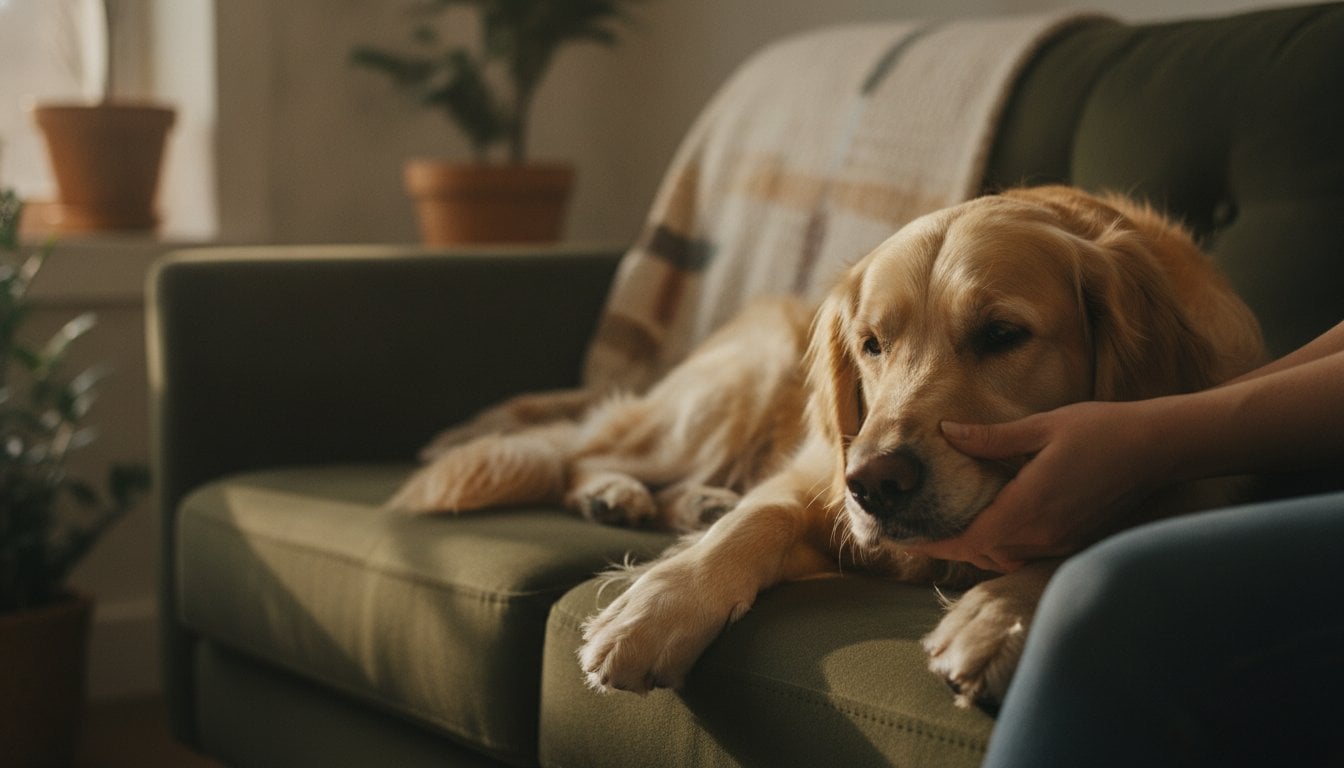
That persistent, corn-chip smell emanating from your dog’s paws isn’t just a grooming oversight; it’s a desperate cry for internal balance. You’ve likely spent weeks scrubbing paws and applying topical creams, only to find the dog yeast infection symptoms and relentless itching return the moment the treatment stops. It’s exhausting to watch your companion suffer through constant inflammation while feeling like you’re just chasing symptoms. We believe that a dog yeast infection is not a surface-level enemy to be defeated with harsh chemicals, but an invitation to restore your pet’s natural ecosystem through science-backed, holistic care.
By moving beyond temporary fixes, you can finally eliminate that offensive odor and restore your friend’s comfort for good. This guide explores how to identify the subtle signs of overgrowth, address the underlying gut health and allergy triggers, and implement a nurturing routine that returns your dog’s coat to its soft, non-greasy glory. We will bridge the gap between clinical evidence and organic well-being to help your pet find lasting relief and rejuvenation.
Key Takeaways
- Recognize the distinctive “corn chip” scent and greasy skin that indicate a biological imbalance rather than just a dirty coat.
- Identify how a dog yeast infection acts as a secondary opportunist, often triggered by underlying food or environmental allergies.
- Move beyond temporary topical fixes by addressing the internal environment where yeast thrives, ensuring the infection doesn’t return immediately.
- Implement a simple, science-backed protocol that removes starchy fillers from the bowl to starve overgrowth at its source.
- Learn the value of clean-label, vet-approved supplements produced in FDA-registered facilities for a safe and nurturing recovery.
Understanding Dog Yeast Infections: The Scent of Discomfort
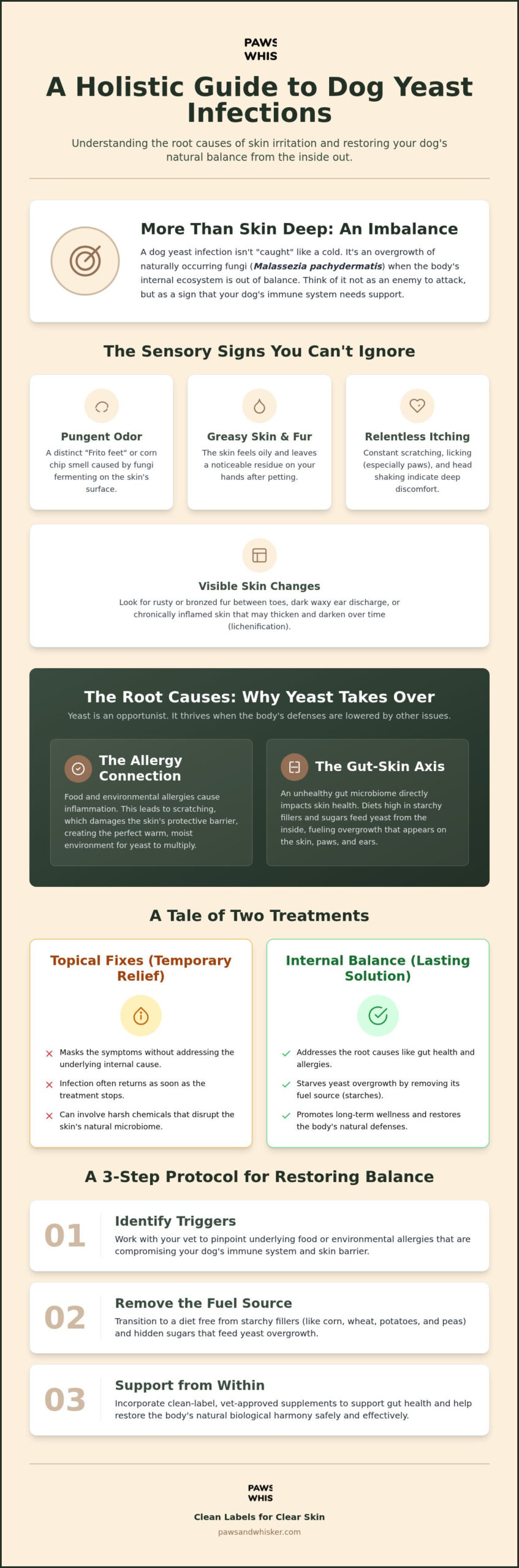
A dog yeast infection isn’t a disease your pet “catches” at the park or from a neighbor’s dog. Instead, it’s a biological imbalance where naturally occurring fungi, specifically Malassezia pachydermatis, begin to multiply uncontrollably. While these organisms usually live peacefully on healthy skin, they are opportunistic by nature. When the immune system is distracted or the skin’s protective barrier is breached, they seize the moment to colonize. This overgrowth creates a state of hidden distress that you can feel through their skin and sense through their restless behavior. It’s a physical manifestation of an internal struggle, moving your pet away from their natural state of vigor and comfort.
The Sensory Signs You Can’t Ignore
The most prominent indicator is often a distinct, pungent odor. Many owners describe this as “Frito feet” or a corn chip smell, which is a biological red flag that fungi are fermenting on the skin’s surface. You might notice your dog’s fur taking on a rusty or bronzed tint, especially in the crevices between the toes or around the lips. In chronic, untreated cases, the skin may thicken and darken, a process called lichenification that resembles the texture of elephant skin. Unlike a simple seasonal itch that comes and goes, a fungal flare-up feels greasy to the touch and leaves a noticeable residue on your hands after petting. This tactile greasiness is a cry for help from a skin barrier that can no longer regulate itself.
Commonly Affected Areas: Ears, Paws, and Folds
Yeast thrives in specific “micro-climates” where heat and moisture are trapped against the body. The ear canal is a primary target due to its deep, L-shaped structure. If you see your dog shaking their head frequently or notice a dark, waxy discharge with a sweet, musty scent, it’s a clear sign of overgrowth. Paws are equally vulnerable because the constant cycle of walking and licking introduces moisture, which then fuels more fungal growth. This leads to intense inflammation and “rusty” staining between the pads. For brachycephalic breeds or those with loose skin, deep facial and body folds create perfect, hidden breeding grounds. These areas require meticulous care to prevent moisture from stagnating and causing painful irritation. To support these sensitive areas from the inside out, many caretakers integrate a targeted Yeast Relief Powder for Dogs to help restore biological harmony and quiet the itch.
The Root Causes: Why Yeast Overwhelms the Immune System
To truly heal your companion, we must view yeast as a secondary opportunist rather than the primary villain. In a healthy animal, the immune system and beneficial bacteria act as a biological shield, keeping fungal populations in check. A dog yeast infection only takes hold when that shield is lowered or the skin’s environment is altered. This often happens when the body is busy fighting other battles, such as chronic inflammation or systemic imbalances. By understanding that yeast is a symptom of a deeper struggle, we can move away from aggressive “killing” tactics and toward a more nurturing, restorative philosophy of care.
The Allergy Connection
Environmental and food allergies are the most frequent culprits behind recurring fungal issues. When a dog reacts to pollen, dust mites, or specific proteins, their skin becomes inflamed and itchy. This scratching creates microscopic tears in the skin barrier, while the inflammation increases heat and moisture. This combination transforms the skin into the perfect “soil” for fungi to thrive. Identifying these triggers is essential for long-term relief. For a deeper look at managing these immune responses, our Allergy Relief for Dogs: A Scientist’s Guide provides detailed strategies for building lasting resilience. Once you stabilize the immune system, the yeast often loses its foothold naturally.
The Gut-Skin Axis: A Modern Veterinary Perspective
Modern veterinary science increasingly recognizes the profound link between a healthy microbiome and skin resilience. This “gut-skin axis” means that an imbalance in the digestive tract often manifests as a flare-up on the paws or ears. When the gut lining is compromised, sometimes called “leaky gut,” it can lead to systemic inflammation that fuels fungal growth. Diets high in starchy fillers and hidden sugars provide the exact fuel yeast needs to multiply. By removing these carbohydrates and supporting the internal ecosystem, you starve the overgrowth from the inside out. Supporting this internal balance with Allergy Relief Soft Chews can help modulate the immune response and promote a more peaceful biological environment.
External factors also play a significant role in disrupting this delicate balance. Antibiotics, while often necessary for infections, are non-discriminatory; they kill the “good” bacteria that normally compete with yeast for space. Without these bacterial guardians, fungal populations can explode overnight. Similarly, hormonal imbalances like hypothyroidism can alter the production of sebum, the skin’s natural oil. Since yeast feeds on these lipids, an oily skin profile caused by an underactive thyroid creates a perpetual feast for fungi. Addressing these underlying medical and environmental disruptions is the only way to break the cycle of reinfection and restore your dog’s natural vigor.
Internal vs. Topical Relief: A Holistic Comparison
Managing a dog yeast infection requires a dual strategy that honors both the immediate discomfort of the animal and the long-term integrity of their biological systems. While many traditional approaches focus solely on the skin’s surface, true restoration happens when we bridge the gap between topical hygiene and internal health. Topical treatments offer a “quick fix” by reducing fungal populations on the skin, but they often fail to address the underlying vulnerability that allowed the overgrowth to occur in the first place. By shifting our focus toward internal support, we can stop the exhausting cycle of reinfection and help our companions find lasting peace.
When to Use Topical Antifungals
Topical interventions like apple cider vinegar rinses or medicated washes are essential tools for providing immediate relief from relentless itching and inflammation. To make these treatments effective, you must respect the “kill time” required for the active ingredients to work, which typically involves leaving the lather on your dog’s skin for at least ten minutes. However, we must be mindful that over-bathing can be counterproductive. Stripping away natural oils through excessive washing can leave the skin dry and vulnerable, ironically creating a more hospitable environment for fungi to return. Use these tools to quiet the surface flare-up while you focus your energy on the deeper solution.
The Power of Internal Supplementation
The real transformation occurs when we nurture the body from the inside out, creating a biological environment where fungi simply cannot thrive. Our Yeast Relief Powder for Dogs is formulated with potent botanical ingredients like caprylic acid and pau d’arco, which are scientifically recognized for their ability to support a healthy microbial balance. These ingredients are specifically chosen to penetrate the protective barriers that fungi build to survive. A biofilm is a resilient, microscopic shield that yeast colonies construct to protect themselves from environmental threats like shampoos and topical medications. By addressing the overgrowth internally, you disrupt these colonies at their source.
Restoring the skin’s physical resilience is the final step in this holistic journey. Integrating Salmon Oil into your dog’s daily routine provides the essential Omega-3 fatty acids needed to repair the lipid barrier. This lipid layer acts as a natural shield, preventing fungal spores from attaching to the skin cells and causing further irritation. When you combine internal botanical support with these nourishing fats, you aren’t just treating a symptom; you’re rebuilding your pet’s natural defenses and restoring their coat to its soft, non-greasy state.
A Step-by-Step Protocol for Restoring Balance
Restoring your companion’s health requires more than a random assortment of remedies; it demands a methodical journey back to biological harmony. When a dog yeast infection takes hold, it signals that the internal ecosystem has shifted in favor of an opportunist. To reverse this, we follow a structured protocol that starves the overgrowth, modulates the immune response, and fortifies the skin’s natural defenses. This five-step approach moves your pet from a state of constant irritation toward lasting rejuvenation and vigor.
Dietary Adjustments for the Yeasty Dog
Many owners switch to grain-free kibble, but this often isn’t enough if the food relies on high-starch binders like potatoes, tapioca, or peas. These complex carbohydrates break down into sugars that continue to fuel fungal populations. Instead, introduce fresh, low-carb vegetables like steamed broccoli or zucchini to provide fiber without the sugar spike. Adding high-quality probiotics helps beneficial bacteria out-compete Malassezia in the gut, effectively reclaiming the territory for your dog’s health and resilience.
Proactive Paw and Ear Care
For immediate surface relief, a natural paw soak using diluted povidone-iodine or a gentle apple cider vinegar solution can mechanically remove yeast and debris from sensitive crevices. The “Wise Caretaker” method for ear cleaning involves saturating a cotton ball with a vet-approved cleanser and gently wiping only what you can see, avoiding the use of swabs that can push discharge deeper into the canal. To further strengthen the skin’s physical barrier against environmental triggers, we recommend integrating Skin & Coat Soft Chews into their daily routine. These chews provide the essential nutrients needed to maintain a resilient, healthy coat that resists future colonization.
As you begin this protocol, you may witness a temporary “healing crisis” where symptoms seem to briefly intensify as the yeast dies off and releases toxins. Monitor your dog’s progress by tracking the scent and the color of the skin; you’ll know you’re succeeding when the pungent odor fades and the “rusty” staining begins to grow out. Long-term resilience is maintained through proactive gut support and clean-label nutrition that prioritizes your pet’s internal balance. To help your dog reclaim their comfort and vitality, integrate our Yeast Relief Powder into their daily protocol to address overgrowth at its source.
The Paws & Whiskers Philosophy: Clean Labels for Clear Skin
Trust is the essential bridge between a concerned pet parent and a thriving animal. When you’re managing a dog yeast infection, that trust is built on the foundation of ingredient transparency and scientific rigor. We believe that what we leave out of our formulations is just as vital as what we put in. Our philosophy centers on the “Wise Caretaker” approach, moving away from the clinical coldness of traditional treatments toward a heart-centered, holistic path to restoration. By prioritizing clean labels and meticulous preparation, we ensure that your pet’s journey to health is both safe and deeply nurturing.
Why Ingredient Transparency Matters
Many commercial supplements rely on “mystery meat” or starchy “inactive” fillers like corn, soy, and wheat to bulk out their products. For a dog prone to fungal overgrowth, these additives are more than just empty calories; they act as a biological fuel source for the infection. Dealing with a persistent dog yeast infection requires a level of transparency that most brands simply don’t provide. We meticulously source our botanical ingredients for their purity and potency, ensuring they support the body without triggering further allergic responses.
Our commitment to excellence is reflected in our manufacturing standards. All our formulations are produced in FDA-registered facilities right here in the US, providing the clinical reassurance you need for your family member. This rigorous oversight ensures that every scoop of our Yeast Relief Powder meets the highest benchmarks for safety and efficacy. We don’t just sell products; we offer a science-backed partnership dedicated to improving your dog’s quality of life through ingredient integrity.
Your Journey to a Happier, Non-Itchy Dog
Restoration isn’t an overnight event, but a steady narrative of recovery and strength. It’s natural to feel frustrated when infections return, but choosing a nurturing expert approach over a harsh clinical attack allows the body to find its own balance. You’re not just treating a skin condition; you’re restoring the internal harmony that allows your dog to move with vigor and comfort once again. This process takes patience, but the sight of a soft, non-greasy coat and the absence of that “yeasty” smell are the ultimate rewards for your dedication.
As your dog’s advocate, you have the power to break the cycle of inflammation and distress. By focusing on gut health and clean nutrition, you’re writing a new chapter in your pet’s life story, one defined by vitality rather than irritation. We are here to support you every step of the way with formulations that prioritize affection as much as they do empirical data. Explore our Allergy & Yeast Relief solutions today to begin the transformation your companion deserves.
Reclaiming Your Companion’s Natural Resilience
The journey to silence the itch and eliminate the odor of a dog yeast infection requires moving beyond the surface. By addressing the gut-skin axis and removing starchy fillers from the bowl, you are no longer just managing symptoms; you’re rebuilding your pet’s biological shield. Lasting restoration comes from this holistic shift, where internal botanical support meets meticulous topical care to restore the body’s natural ecosystem.
You can restore your dog’s balance with our Vet-Approved Yeast Relief Powder, a scientifically formulated solution designed for long-term health. Our clean-label, filler-free ingredients are manufactured in an FDA-registered US facility to ensure the highest standards of safety and potency. We believe that every pet deserves a life free from the discomfort of chronic inflammation and recurring flare-ups.
Your dedication to understanding your dog’s unspoken distress is the most powerful tool in their recovery. With patience and a nurturing approach, you’ll soon see their coat return to its soft, healthy state and their spirit return to its natural vigor. We are honored to be your partner in this mission of rejuvenation and hope.
Frequently Asked Questions
Can I use human antifungal cream on my dog’s yeast infection?
You shouldn’t use human antifungal medications without explicit veterinary guidance. Many human products contain ingredients like betamethasone or other steroids that are unsafe if your dog licks and ingests them. Because dogs have a different skin pH and metabolic rate than humans, these creams may cause irritation or systemic toxicity. It’s much safer to use vet-approved formulations specifically designed for canine physiology to ensure the treatment is as nurturing as it is effective.
Is a dog yeast infection contagious to other pets or humans?
No, a dog yeast infection isn’t contagious to other animals or family members. The fungi responsible for the overgrowth are already a normal part of your dog’s unique skin ecosystem. An infection only occurs when an individual dog’s immune system becomes compromised or their skin barrier is breached. You don’t need to isolate your companion; instead, focus on restoring their internal balance and skin resilience through targeted nutritional support and clean-label supplements.
How long does it take to clear up a yeast infection in dogs?
Recovery usually takes between two to six weeks depending on the severity of the overgrowth. While topical rinses might provide immediate comfort from itching, true restoration of the skin and coat requires time for the biological ecosystem to stabilize. Chronic cases involving thickened skin or “elephant skin” may take even longer as the skin cells need time to regenerate. Consistency with daily protocols and hygiene is the key to seeing lasting progress and rejuvenation.
What is the best food for a dog with a chronic yeast infection?
The best diet for a yeasty dog is one that is low in starch and free from hidden sugars. Avoid kibbles that use potatoes, peas, or tapioca as binders, as these carbohydrates break down into simple sugars that fuel fungal populations. Focus on high-quality proteins and fresh, low-glycemic vegetables like spinach or green beans. Starving the yeast from the inside out is a critical step in the “Wise Caretaker” protocol for long-term health.
Can apple cider vinegar really cure a dog’s yeast infection?
Apple cider vinegar is a helpful management tool but it’s rarely a standalone cure for the root cause. Its acidic nature helps restore the skin’s natural pH, making the environment less hospitable for fungi to multiply. While it’s excellent for topical rinses or paw soaks to provide immediate relief, it doesn’t address the underlying immune or gut health issues. For a permanent solution, you must combine topical hygiene with internal support that targets the source.
Why does my dog’s yeast infection keep coming back after treatment?
Recurrence usually happens because the underlying trigger, such as an allergy or hormonal imbalance, hasn’t been addressed. If you only treat the surface with shampoos, the dog yeast infection will return as soon as the “kill” phase ends. Lasting success requires a multi-modal approach that heals the gut-skin axis and repairs the skin barrier. Without fixing the internal vulnerability, the opportunistic fungi will simply recolonize the same moist, inflamed areas of the body.
Is yeast the same thing as a bacterial skin infection?
Yeast is a fungal overgrowth, while a bacterial infection involves different organisms like Staphylococcus. While they share symptoms like redness and itching, yeast is distinguished by its pungent, corn-chip odor and greasy texture. Bacteria often cause “collarettes” or pustules on the skin surface. It’s common for both to occur simultaneously since the inflammation from yeast weakens the skin’s defenses, allowing bacteria to take hold in a secondary infection that requires careful, scientific care.
Can probiotics help prevent future yeast overgrowth?
Yes, probiotics are essential for out-competing opportunistic fungi in the digestive tract. By populating the gut with beneficial bacteria, you strengthen the immune system’s ability to regulate fungal populations naturally. This internal balance is a pillar of the Paws & Whiskers philosophy, as a healthy microbiome directly influences skin resilience. Probiotics help close the “leaky gut” that often leads to the systemic inflammation fueling a dog yeast infection and causing hidden distress.
Disclaimer
The information provided in this article is for educational and informational purposes only and is not intended as veterinary advice. Every dog is unique, and health concerns should be discussed with a licensed veterinarian. Always consult your veterinarian before introducing new supplements, changing your dog's diet, or beginning any health or wellness program, particularly if your dog has a medical condition, is pregnant or nursing, or is taking prescription medications.