
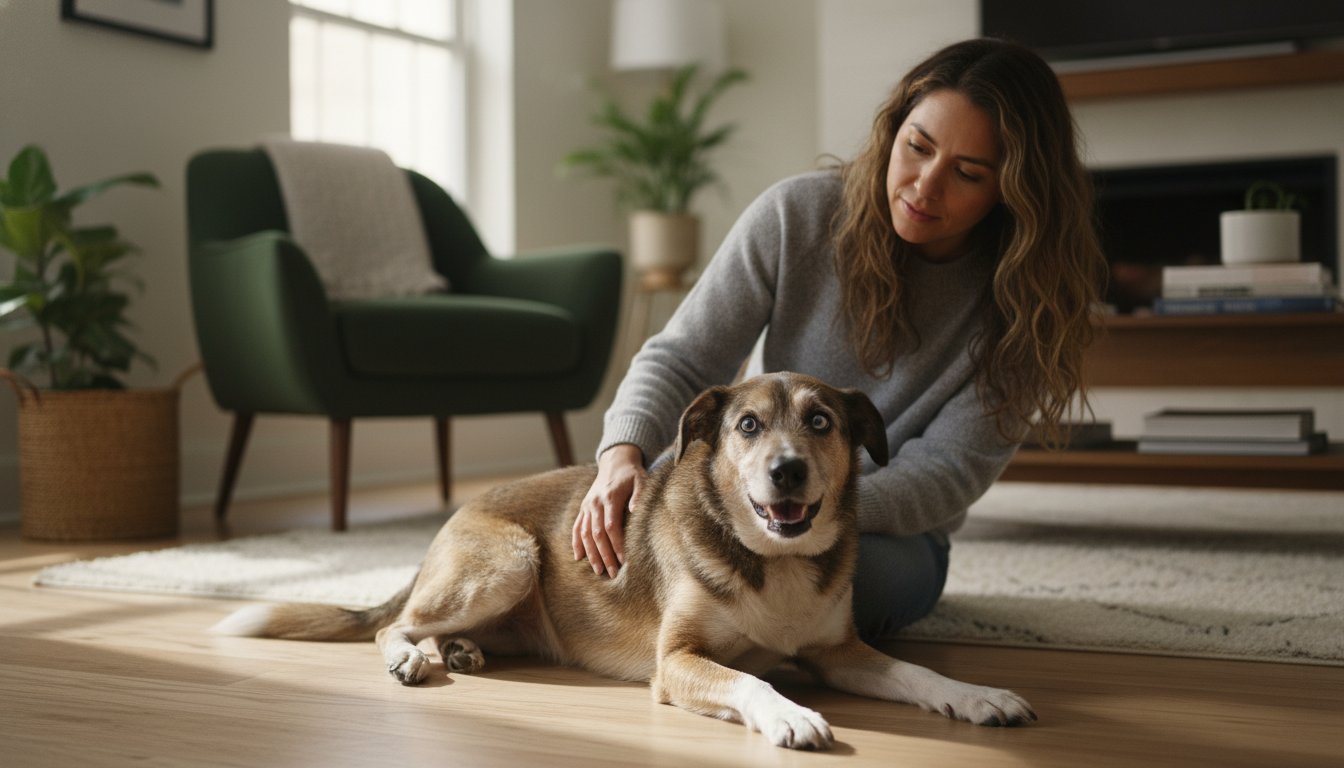
Did you know that a May 2026 study from Texas A&M University found that over 84% of dogs exhibit signs of fear or anxiety in their daily situations? It’s a staggering figure that confirms what many devoted owners already suspect; our companions are often navigating a world that feels deeply overwhelming. When you notice dog anxiety symptoms panting even in a cool room, it’s natural to feel a surge of worry. You aren’t just seeing a physical reaction. You’re witnessing an internal SOS that requires both your empathy and a foundation of scientific understanding.
We understand the weight of watching your pet suffer, and we’re here as your compassionate ally to help you decode these unspoken signals. This guide explores the biological connection between respiratory distress and emotional health, giving you the tools to nurture your dog back to a state of tranquility. You’ll learn clear criteria to distinguish heat from stress, discover immediate steps to soothe a frantic heart, and explore how clean-label botanical support can restore your companion’s natural vitality and peace.
Key Takeaways
- Learn to distinguish between physiological cooling and emotional distress by identifying the specific markers of dog anxiety symptoms panting in cool environments.
- Understand the “Cortisol Cascade” and how your pet’s amygdala triggers a physical survival response to common household stressors like thunder or separation.
- Discover how to read the “Ladder of Aggression” to spot subtle stress clusters before they escalate into full-blown panic.
- Master the role of the “Wise Caretaker” by establishing rhythmic routines that lower daily cortisol levels and create a true sanctuary for your companion.
- Explore the science of clean-label botanicals and amino acids that support neurotransmitter balance to build long-term emotional resilience.
Understanding Dog Anxiety Symptoms: Is Panting a Red Flag?
Watching your dog pant in a cool, quiet room is a uniquely unsettling experience for any pet owner. While we naturally associate a lolling tongue with a successful walk or a summer afternoon, it’s often a silent signal of internal turbulence. Anxious panting is what experts call a non-thermogenic respiratory response. Unlike cooling down after exercise, this type of breathing is a direct reaction to emotional triggers rather than physical heat. If your intuition tells you that your dog’s breathing feels “off,” trust that feeling; you’re likely witnessing a physiological SOS that requires your compassionate attention.
When evaluating dog anxiety symptoms panting is often the most visible red flag, but it’s rarely the only one. This physical exertion is a manifestation of emotional pressure that requires a holistic approach to wellness, focusing on both immediate comfort and long-term biological support. By looking beyond the breath, we can begin to see our dogs not just as pets, but as family members who experience complex internal struggles that deserve a scientific and heart-centered response.
Anxiety vs. Heat: How to Tell the Difference
Context is your most valuable diagnostic tool. If your dog is panting while resting in a climate-controlled environment, heat is almost certainly not the culprit. Observe the shape of the tongue specifically. In a typical cooling pant, the tongue is relaxed and floppy. In contrast, a “stress tongue” appears long, tense, and often curls upward at the edges. You might also notice a “spatulate” tongue, where the end widens and flattens into a spade-like shape. These are clear indicators of physiological distress rather than a simple need to cool down. Always check if they have exercised recently or if the room temperature has spiked before concluding the response is purely emotional.
The ‘Why’ Behind the Breath
The root of this behavior lies within the autonomic nervous system. When a dog perceives a threat, whether it’s a distant rumble of thunder or the sound of your car keys, their body prepares for action. This emotional pressure translates into increased oxygen demand, even if they’re standing perfectly still. Understanding the nuances of canine body language is the first step toward becoming a truly wise caretaker. By recognizing the subtle shifts in how your dog carries themselves, you can begin to bridge the gap between their hidden distress and the restorative care they deserve. Over time, this chronic state of high alert can lead to significant fatigue and secondary health issues, making it essential to address the biological foundations of their calm early on.
The Physiology of Panic: Why Stress Triggers Excess Panting
Your dog isn’t being dramatic when they begin to breathe heavily during a thunderstorm or after you pick up your car keys. They are experiencing a profound biological takeover. At the center of this response is the amygdala, an almond-shaped region of the brain dedicated to processing perceived threats. Whether it’s the presence of a stranger or the distress of separation, the amygdala sounds an alarm that bypasses logic and heads straight for the body’s survival systems. This legacy “Fight or Flight” mechanism is a biological gift from their ancestors, designed to keep them alive in the wild, but in a modern home, it often leaves them feeling biologically overwhelmed.
When analyzing dog anxiety symptoms panting serves as the physical evidence of an internal “Cortisol Cascade.” As the brain perceives danger, it signals the heart to beat faster and the lungs to work harder. This sudden surge in oxygen demand is what causes the rapid, shallow breathing you observe. Understanding these Signs Your Dog is Stressed helps us move away from viewing their behavior as “naughty” and instead allows us to see it as a cry for physiological support. They aren’t choosing to be restless; their chemistry is demanding it.
The Role of Cortisol and Adrenaline
Hormones like adrenaline and cortisol act as the body’s first responders, flooding the bloodstream to prepare for a physical struggle that never actually comes. This chemical dump is why your dog may continue to pace or pant long after the initial trigger, such as a firework, has ceased. The body requires significant time to metabolize these substances and return to a baseline state of rest. Cortisol is the primary stress hormone that regulates canine alertness. Because these levels don’t drop instantly, providing a calm environment is essential for their recovery process.
Long-Term Impact of Chronic Stress
Frequent bouts of anxiety do more than just cause temporary discomfort; they can actively wear down a dog’s immune system over time. When the body is constantly diverted to manage survival signals, it has fewer resources for cellular repair and defense against illness. This connection between emotional health and physical longevity is why many owners now look toward comprehensive dog supplements to support their pet’s overall vitality. Nurturing their internal balance can be a transformative step in their life story. To help your companion find their center during these overwhelming moments, you might consider the gentle support of Calming & Anxiety Relief Chews as part of a restorative daily routine.
Beyond the Breath: Identifying Other Subtle Anxiety Signals
Dogs are masters of silent communication. While dog anxiety symptoms panting is often the most noticeable cue for owners, it rarely occurs in isolation. To truly understand your companion’s internal state, you must look for clusters of behaviors that signal a rising tide of distress. Experts often refer to the Ladder of Aggression, which serves as a roadmap of the subtle gestures dogs use to communicate they’re feeling pressured or overwhelmed. By identifying these early markers, you can intervene before their panic escalates into destructive behaviors or profound physiological exhaustion.
Early detection is the cornerstone of effective care. When you recognize these signals in their infancy, you can prevent the “Cortisol Cascade” from reaching a breaking point. We encourage you to document these moments, perhaps through a quick video on your phone, to share with your veterinarian. This provides a clear, objective view of the context and specific Dog Anxiety Symptoms your pet is experiencing, allowing for a more tailored and evidence-based wellness plan.
Micro-Expressions: Whale Eye and Lip Licking
Tiny facial shifts often reveal a world of hidden discomfort. Whale eye occurs when a dog turns their head slightly away but keeps their eyes fixed on a perceived threat, exposing the whites of their eyes. This is a high-alert signal that your dog feels trapped or deeply uneasy. Similarly, you might notice your dog licking their lips or yawning repeatedly despite not being hungry or tired. These are known as displacement behaviors. They are out-of-context actions used to self-soothe when the nervous system is under strain, serving as a biological pressure valve for their internal struggle.
Physical Posture and Pacing
A dog’s physical silhouette provides immediate clues about their confidence levels. A tucked tail, lowered body posture, or ears pinned tightly back all indicate that your companion is trying to appear smaller and less threatening. You may also observe a pacing loop, where a dog walks in a repetitive, rhythmic pattern through the house. This isn’t just simple restlessness; it’s a physical outlet for the survival energy flooding their system. Finally, watch for the “shake off.” If your dog performs a full-body shake while completely dry, they are trying to physically reset their nervous system and release the tension gathered during a stressful encounter.
Creating a Sanctuary: Immediate Steps to Calm Your Dog
When you witness dog anxiety symptoms panting or pacing, your first instinct is likely to rush in with comfort. However, your most powerful tool in these moments is your own emotional regulation. As a “Wise Caretaker,” your calm energy serves as a biological anchor for your pet. Dogs are incredibly sensitive to human heart rates and cortisol levels; if you remain steady, you provide a clear signal that the immediate environment is safe. This doesn’t mean ignoring their distress, but rather providing a quiet, confident presence that allows their own nervous system to begin the slow process of de-escalation.
Predictability is the enemy of anxiety. Establishing a rigid daily routine for meals, walks, and rest periods helps lower the baseline cortisol levels we discussed earlier. Within this routine, consider integrating “Decompression Walks.” Unlike a standard brisk walk on a short leash, these outings occur in quiet areas on a long line, allowing your dog to sniff and explore at their own pace. Sniffing is a naturally grounding behavior that lowers a dog’s heart rate and helps them process environmental information without the pressure of constant “heeling” or city noise.
It’s vital to avoid forced interaction when your dog is in a state of panic. Trying to hug a fearful dog or forcing them to “face their fears” can backfire, potentially leading to defensive aggression or deeper trauma. Instead, give them the space they are asking for and let them come to you when they feel ready to reconnect. Respecting their boundaries during a crisis is a profound act of love that builds long-term trust.
Designing a Safe Space
A true sanctuary is both physical and sensory. You can mask startling environmental triggers like thunder or construction by using white noise machines or specific calming music designed for canine frequencies. Many dogs find comfort in a “den-like” environment, such as a crate covered with a heavy blanket or a dedicated quiet corner away from household traffic. Adding a secondary layer of soothing scents, like lavender or synthetic pheromones, can further signal to the brain that this specific zone is reserved for rest and rejuvenation.
Behavioral Counter-Conditioning
Long-term emotional resilience often requires pairing a “scary” trigger with a high-value positive reward. This process, known as counter-conditioning, helps rewire the brain’s automatic fear response over time. Mental stimulation through lick mats or food puzzles can also be incredibly effective; the act of licking and chewing releases endorphins that naturally counteract stress hormones. If your dog’s anxiety remains chronic or escalates into self-harm, consulting a professional certified behaviorist is a wise step toward a tailored recovery plan. To support your dog’s journey toward a peaceful state of mind, you can introduce Calming & Anxiety Relief Chews as a gentle, botanical foundation for their daily wellness routine.
Nurturing Peace: Holistic Support and Calming Solutions
Restoring your dog’s sense of safety requires more than environmental changes; it demands biological reinforcement. When you address dog anxiety symptoms panting or restlessness with clean-label wellness, you’re providing the internal architecture needed for emotional resilience. We believe that true rejuvenation begins with botanical origins and meticulous preparation. Rather than relying on heavy sedation that masks behavior, we focus on nurturing the brain’s natural ability to return to a state of calm through science-backed, vet-approved formulations. This proactive approach transforms the way we view canine stress, moving from reactive crisis management to a lifestyle of sustained well-being.
Our commitment to your pet’s life story is reflected in every ingredient we select. We understand the unspoken discomfort of an anxious animal, and we bridge the gap between nature and the laboratory to find solutions that respect their delicate physiology. By choosing a holistic path, you are acting as a knowledgeable friend and advocate for an animal that cannot speak for itself. This partnership between the owner and scientific remedy creates a restorative cycle of health and affection.
The Science of Calming Botanicals
Specific plants like Chamomile and Passionflower aren’t just traditional remedies; they interact directly with GABA receptors in the brain to dampen overactive survival signals. This works in harmony with L-Theanine, an amino acid that promotes deep relaxation without the heavy drowsiness often associated with pharmaceutical options. We prioritize ingredient transparency because purity is essential for a stressed nervous system. Fillers and artificial additives can spike blood sugar or cause gut distress, which only adds to a dog’s internal agitation and physical discomfort. A clean label ensures that the body can focus entirely on recovery and rejuvenation.
Integrating Calming Chews into a Wellness Plan
Think of Calming & Anxiety Relief Chews as a proactive foundation rather than a last-minute rescue. While they’re effective when given before known triggers like storms or vet visits, the true benefit lies in cumulative support. Maintaining a steady neurotransmitter balance helps your dog navigate daily life with a higher threshold for stress. Interestingly, this emotional balance also supports joint mobility by reducing the physical tension and guarded movements that accompany chronic fear. When a dog is calm, their muscles relax, and their movement becomes fluid and vigorous once again.
As a wise caretaker, you have the power to change the narrative of your dog’s distress. By pairing these nutritional tools with the sanctuary-building steps we’ve discussed, you create a comprehensive net of safety. This journey toward restoration is a legacy project of love, ensuring your companion enjoys a quality of life defined by peace rather than panic.
Restoring Your Companion’s Emotional Vitality
Empowering yourself with the knowledge to decode your dog’s silent SOS is a profound act of devotion. We have navigated the biological roots of dog anxiety symptoms panting and established that these physical reactions are often the result of a complex internal “Cortisol Cascade.” By identifying subtle micro-expressions and establishing a sanctuary defined by rhythm and predictability, you provide the essential framework your pet needs to find their center once again.
Our commitment to holistic well-being is grounded in meticulous preparation and ingredient transparency. We provide a vet-approved, clean-label formula manufactured in FDA-registered US facilities, ensuring every chew meets the rigorous standards your family member deserves. By utilizing a heart-centered blend of Chamomile, Hemp, and L-Theanine, we help restore the neurotransmitter balance required for long-term emotional resilience. Nurture your dog’s inner peace with our science-backed Calming & Anxiety Relief Chews. You are your dog’s greatest ally, and together, we can guide them back to a life of vigor and tranquility.
Frequently Asked Questions
Is it normal for a dog to pant when it isn’t hot?
No, panting in a cool environment is typically a signal of emotional or physical distress. When evaluating dog anxiety symptoms panting serves as a key physiological marker that the autonomic nervous system is in a state of high alert. If your dog hasn’t exercised recently and the room temperature is comfortable, their heavy breathing is likely a response to a perceived threat or internal discomfort.
How can I tell if my dog has separation anxiety or is just bored?
Separation anxiety typically manifests as a frantic response that begins the moment you start your “leaving routine,” such as picking up your car keys. Boredom usually results in destructive behavior when you’re already gone but lacks the intense physiological signs like dilated pupils or excessive drooling. Watching for clusters of stress signals will help you distinguish between a dog that needs a job and one that feels genuinely unsafe.
Can certain dog supplements help with panting caused by stress?
Yes, targeted nutritional support can help manage the biological response to stress. Calming & Anxiety Relief Chews utilize clean-label botanicals like Chamomile and L-Theanine to promote a sense of tranquility. These ingredients work with the brain’s GABA receptors to lower the intensity of the “Fight or Flight” response, making it easier for your dog to settle after an environmental trigger.
What are the most common triggers for sudden dog anxiety?
Sudden anxiety is most frequently triggered by noise aversions, such as thunder or fireworks, and changes in social dynamics like unfamiliar visitors. Environmental shifts or even subtle changes in your own stress levels can also act as catalysts. Identifying these triggers early allows you to implement proactive soothing strategies before the cortisol cascade takes full effect and overwhelms your companion’s system.
Should I ignore my dog when they are panting and pacing?
You shouldn’t ignore their distress, but you should avoid reacting with frantic energy that validates their fear. Instead, act as a “Wise Caretaker” by offering a calm, steady presence. Providing a safe, den-like space or a quiet redirection to a licking mat can help them self-soothe without reinforcing the panic through excessive coddling or forced interaction during a crisis.
How long does it take for a dog to calm down after a stressful event?
It can take anywhere from twenty minutes to several hours for a dog to fully return to a baseline state. Because stress hormones like cortisol and adrenaline take time to metabolize, your dog might remain “on edge” long after a storm has passed. Providing a predictable, quiet environment is essential to help their internal systems recover from the chemical surge and restore their sense of safety.
Are there specific breeds more prone to anxiety-related panting?
While any dog can experience stress, working breeds like Border Collies and German Shepherds are often more hyper-aware of environmental changes. Smaller breeds, including Chihuahuas and Toy Poodles, also frequently show higher rates of sensitivity. Regardless of the breed, recognizing the early signs of dog anxiety symptoms panting is vital for maintaining their long-term emotional health and ensuring they feel supported in their home.
Can a change in diet improve my dog’s anxiety levels?
Yes, a diet focused on clean-label ingredients and stable blood sugar can significantly influence emotional regulation. Avoiding fillers and artificial additives prevents the “peaks and valleys” in energy that can make a dog feel more reactive or agitated. Supporting the gut-brain axis through high-quality nutrition creates a more resilient foundation for their overall mental well-being and long-term health progress.
Disclaimer
The information provided in this article is for educational and informational purposes only and is not intended as veterinary advice. Every dog is unique, and health concerns should be discussed with a licensed veterinarian. Always consult your veterinarian before introducing new supplements, changing your dog's diet, or beginning any health or wellness program, particularly if your dog has a medical condition, is pregnant or nursing, or is taking prescription medications.