
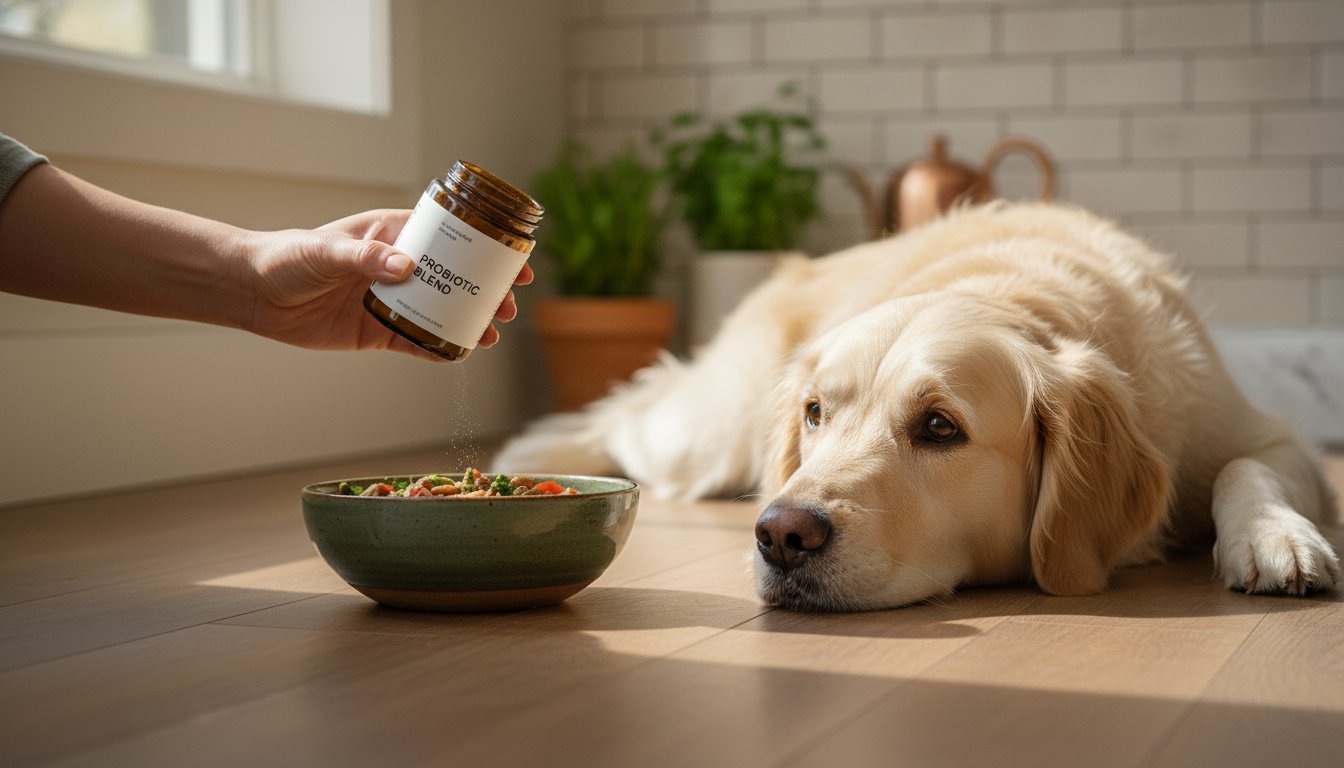
Antibiotics are life-saving tools, yet they often act as a “scorched earth” force within your dog’s delicate microbiome. While these medications are essential for fighting infection, they unintentionally dismantle the beneficial bacteria that support your pet’s immune strength and digestive comfort. It’s common to feel a sense of worry when your companion experiences the sudden lethargy or digestive distress that often accompanies a prescription. You understand that while the infection is fading, their internal ecosystem is under siege, and you want to ensure their long-term health remains intact.
You aren’t alone in this concern; a 2025 survey found that over 52% of dog owners now prioritize gut health supplements to protect their family members from these internal shifts. This guide provides a meticulous, science-backed protocol for using probiotics for dogs on antibiotics to ensure their recovery is both swift and sustainable. We’ll outline a clear schedule to resolve digestive upset and explain how a targeted “reforestation” strategy can cut the recurrence of gastroenteritis by nearly half. You’ll gain the confidence to protect your dog’s vitality and restore their natural vigor through every stage of their treatment.
Key Takeaways
- Master the essential “Golden Rule” of timing to prevent interference between medications and ensure your companion’s digestive comfort remains a priority.
- Identify the specific yeast-based strains and multi-strain blends that offer the highest resilience when choosing probiotics for dogs on antibiotics.
- Implement a structured two-phase protocol that begins with immediate protection and transitions into a 30-day restoration period for lasting health.
- Gain the clinical clarity needed to read supplement labels like a scientist, focusing on ingredient purity and the clean label standards your dog deserves.
Understanding the “Antibiotic Wipeout”: Why Your Dog’s Gut Needs Support
Your dog’s gut is a complex, thriving ecosystem. It’s home to trillions of microscopic organisms that work in a delicate harmony to sustain life. When a veterinarian prescribes medicine to fight an infection, it acts as a non-selective agent. It’s a necessary intervention, but it doesn’t distinguish between the harmful pathogens and the “good” commensal bacteria that keep your dog healthy. This lack of precision leads to what we call an “antibiotic wipeout.”
If you’ve ever wondered what are probiotics, they are the living reinforcements needed to combat this internal imbalance. Without this support, the gut enters a state of dysbiosis, where the beneficial microbial population is decimated. This isn’t just a temporary stomach ache; a “wait and see” approach can allow opportunistic yeast to overgrow or lead to long-term immune vulnerabilities. Using probiotics for dogs on antibiotics shifts the strategy from simple damage control to active, heart-centered restoration.
The Role of the Microbiome in Canine Immunity
The gut is the primary engine of your dog’s vitality. Approximately 70-80% of a dog’s immune system resides within the digestive tract, making gut health the foundation of their overall resilience. Beneficial bacteria do more than just digest food; they produce short-chain fatty acids (SCFAs) like butyrate, which fuel the cells of the intestinal lining and reduce inflammation. When this internal environment is nurtured, you’ll see the results in their physical vigor, including a more radiant skin and coat. Protecting this microbiome during medical treatment ensures that their immune defenses remain strong long after the infection is gone.
Signs Your Dog is Struggling with Antibiotic Side Effects
Watching your companion suffer is the hardest part of being a pet parent. Antibiotic-associated diarrhea (AAD) is the most common consequence of treatment, but the signs of distress can be more subtle. You might notice your dog becoming unusually lethargic or losing interest in their favorite meal. Other indicators include:
- Excessive gas and bloating: A sign that the fermentation process in the gut is disrupted.
- Borborygmus: Loud, audible stomach gurgling that often indicates discomfort.
- Changes in stool consistency: Moving from firm to loose or mucous-covered stools.
While some changes are expected, it’s vital to monitor your pet closely. If you notice signs of dehydration, such as dry gums, or if your dog experiences severe vomiting, contact your veterinarian immediately. Early intervention with the right microbial support can help resolve these symptoms and restore the rhythmic balance of their digestive system.
Timing is Everything: How to Safely Administer Probiotics During Treatment
Precision is the foundation of a successful recovery. Just as you wouldn’t plant delicate seeds in the middle of a storm, you shouldn’t introduce beneficial bacteria while antibiotic levels in your dog’s system are at their peak. The “interference” risk is a biological reality; because most antibiotics are designed to seek out and destroy bacteria indiscriminately, they’ll neutralize a probiotic supplement if the two meet in the digestive tract. This doesn’t just waste your resources. It leaves your dog’s gut vulnerable during the exact window they need protection most.
The most effective strategy is to begin providing probiotics for dogs on antibiotics on the very first day of their prescription. You don’t need to wait until the bottle is empty to start the “reforestation” process. By introducing these reinforcements early, you help mitigate the “scorched earth” effect before dysbiosis can take a firm hold. There’s a common misconception that probiotics might make the medication less effective, but scientific evidence for probiotic use in dogs suggests that these supplements support the body’s resilience without inhibiting the drug’s ability to clear the primary infection.
A Sample Daily Administration Schedule
Establishing a rhythmic schedule helps your dog’s body process their medication while maintaining a steady stream of beneficial microbes. A typical day of nurturing care might look like this:
- Morning: Give the antibiotic dose with a small meal to protect the stomach lining.
- Mid-day: Administer the probiotic chew. This 4-6 hour gap ensures antibiotic levels have dipped enough for the microbes to survive.
- Evening: Provide the second antibiotic dose as prescribed by your veterinarian.
- Bedtime: Offer a small, fiber-rich snack to “feed” the newly introduced bacteria while your dog sleeps.
Maximizing Absorption and Efficacy
Consistency is what transforms a supplement into a solution. When you offer a probiotic, doing so with a small amount of food can act as a protective buffer against harsh stomach acids, allowing more live cultures to reach the lower intestine. A minimum 2-hour window between doses is the clinical standard for canine probiotic administration to ensure microbial survival. As your dog’s digestive system stabilizes, you might also look toward reinforcing their broader defenses. Our Allergy & Immune Support Chews are designed to maintain this delicate internal balance and support long-term vitality once the initial crisis has passed.
Selecting the Right Strains: Why Not All Probiotics Survive Antibiotics
Not all microscopic allies are created equal. While most supplements consist of beneficial bacteria, these are often the first casualties of an antibiotic course. To truly protect your companion, you must select strains that can withstand the clinical storm. This is where Saccharomyces boulardii becomes an essential part of your toolkit. Unlike traditional bacterial strains, this is a tropical yeast; because it’s not a bacterium, antibiotics cannot kill it. It remains active and vigilant in the digestive tract, providing a steady line of defense when other microbes are swept away.
Diversity is your dog’s greatest strength during recovery. A multi-strain formula creates a more resilient ecosystem than a single-strain product ever could. When selecting probiotics for dogs on antibiotics, look for a “synbiotic” approach that includes prebiotics like FOS or Inulin. These fibers act as the vital fuel that allows beneficial microbes to thrive and colonize effectively. VCA Animal Hospitals explains probiotics as a tool for managing the diarrhea that often follows antibiotic use, emphasizing that the right strain and dosage are key to a successful outcome. For a dog undergoing treatment, research suggests a daily potency of 1-10 billion CFUs (Colony-Forming Units) provides the necessary reinforcement to maintain intestinal integrity.
The “Big Three” Strains for Antibiotic Recovery
Three specific strains stand out for their ability to restore balance and physical vigor. Lactobacillus acidophilus serves as the foundational architect for intestinal harmony, while Bifidobacterium animalis has been proven in clinical trials to significantly shorten the duration of digestive upset. Finally, Enterococcus faecium is a remarkably hardy strain that excels at colonizing the canine GI tract even under stressful conditions. Together, these strains work in a rhythmic cadence to repopulate the gut and support your pet’s natural defenses.
Why Quality and Purity Matter More Than Ever
A compromised gut is a sensitive one. During antibiotic treatment, your dog’s system is more reactive to “fillers” like corn, soy, or artificial flavors often found in cheaper alternatives. Meticulous preparation is vital; look for the National Animal Supplement Council (NASC) quality seal, which serves as a benchmark for purity and rigorous formulation. Choosing a shelf-stable option from an FDA-registered facility ensures that the live cultures remain potent without the need for refrigeration. This transparency in sourcing is part of a heart-centered approach to wellness, ensuring that every ingredient serves the goal of rejuvenation. For dogs whose immune systems feel particularly vulnerable after a course of meds, our Allergy & Immune Support Chews offer a clean-label way to reinforce their long-term health journey.
A Step-by-Step Recovery Protocol: From First Dose to Post-Treatment Care
Recovery is a journey, not a single event. While the final pill in an antibiotic prescription marks the end of an infection, it’s often only the beginning of your dog’s internal restoration. Without a structured plan, a dog’s microbiome can take up to 6 months to return to its natural state. By following a rhythmic, three-phase protocol, you can accelerate this healing process and ensure your companion’s physical vigor remains a constant in their life story. Using probiotics for dogs on antibiotics correctly requires a transition from immediate defense to long-term nurturing.
Phase 1: Protecting the Gut During the Storm
The first 14 days of treatment are the most volatile. During this phase, your primary goal is to provide reinforcements that can survive the antibiotic’s “scorched earth” effect. High-potency chews are essential here to combat immediate microbial loss and maintain the integrity of the intestinal lining. You should also focus on deep hydration, as antibiotic-associated diarrhea can quickly lead to fluid depletion. To support this process naturally, consider adding a tablespoon of plain pumpkin puree to their meals; the gentle fiber acts as a soothing balm for a sensitive digestive tract.
Phase 2: Rebuilding the Ecosystem After the Meds
Once the medication course is complete, the 30-day restoration phase begins. This is the time to “reforest” the gut by increasing prebiotic fiber, which provides the necessary fuel for beneficial bacteria to thrive and colonize. It’s vital to monitor your dog for “rebound” symptoms during this month. If loose stools or lethargy return after you’ve stopped the antibiotics, it often indicates that the microbiome hasn’t yet reached a stable equilibrium. Consistency during these four weeks prevents a temporary setback from becoming a chronic digestive issue.
Phase 3: Sustaining Vitality for Life
The final phase involves transitioning your pet into a daily wellness routine that prioritizes immune resilience. A healthy gut does more than just digest food; it’s intrinsically linked to reduced allergy symptoms and improved mobility. Scientific research shows that daily probiotics support natural joint health by managing systemic inflammation. Maintaining a consistent dog supplement routine as your family member ages is a powerful act of advocacy for their quality of life. To reinforce their internal defenses today, explore our Allergy & Immune Support Chews, which are meticulously formulated to sustain this delicate balance.
Throughout every phase, your intuition as a caretaker is your most valuable tool. Track your dog’s progress by observing their stool consistency and daily energy levels. When you see their eyes brighten and their playful spirit return, you’ll know that their internal ecosystem is once again in harmony. This methodical approach transforms a period of medical distress into a legacy of health and rejuvenation.
Beyond the Bottle: Nurturing Long-Term Vitality with Clean-Label Support
True recovery doesn’t end with the final dose of medication. While the immediate crisis of infection has passed, your dog’s internal ecosystem remains in a state of delicate reconstruction. As a Wise Caretaker, your role shifts from defense to long-term advocacy. Choosing probiotics for dogs on antibiotics is only the first step; the quality of those ingredients determines whether your pet’s gut simply survives or truly thrives. Many generic supplements hide “nasties” like maltodextrin, soy, and artificial binders that can irritate a sensitive, post-treatment digestive tract. Emphasizing ingredient transparency and botanical purity is the only way to ensure your family member’s rejuvenation is complete.
Reading a supplement label like a scientist allows you to spot these hidden irritants before they reach your dog’s bowl. When you’re scrutinizing a label, keep an eye out for these specific markers of quality:
- Absence of common allergens: Ensure the product is free from corn, soy, and wheat.
- Transparent sourcing: The manufacturer should clearly state the botanical origins of all ingredients.
- NASC Quality Seal: This serves as a non-negotiable benchmark for purity and rigorous formulation.
There’s also a profound synergy between gut health and systemic resilience. Pairing a high-quality probiotic with our Skin & Coat Omega-3 Soft Chews can help manage the inflammation that often lingers after a course of antibiotics, supporting everything from cognitive function to a radiant coat. This holistic approach ensures that your dog’s recovery isn’t just a return to the status quo, but a movement toward a more vibrant life story.
The Paws & Whiskers Difference
We believe that every animal deserves a partner who understands their unspoken discomfort. Our vet-approved formulations are designed with maximum bioavailability in mind, ensuring that every nutrient is absorbed and utilized for physical vigor. By focusing on meticulous preparation and natural, holistic ingredients, we move away from the clinical coldness of traditional supplements toward a heart-centered approach. Every batch is produced in US-based, FDA-registered facilities, reinforcing a persona of integrity and medical validation that you can trust during your dog’s most vulnerable moments.
Next Steps for Your Dog’s Wellness
Your dog’s health journey is unique, and their support should reflect that. If your companion struggles with seasonal sensitivities, our Allergy & Immune Support Chews provide the targeted microbial support needed to bolster their natural defenses. For those focused on long-term mobility, our Joint Support Chews pair beautifully with a healthy gut to reduce systemic stress. Utilizing a subscription model ensures your dog never misses a recovery dose, maintaining the steady state of health they need as they age. Your intuition is your dog’s greatest asset; you know their hidden distress better than anyone, and your commitment to their purity is their greatest shield.
Restoring Your Companion’s Natural Vigor
You’ve learned how to navigate the “antibiotic wipeout” by mastering the golden rule of timing and selecting resilient, yeast-based strains. By implementing a structured three-phase protocol, you’re doing more than just stopping diarrhea; you’re actively reforesting your dog’s internal ecosystem. Using probiotics for dogs on antibiotics is a vital act of care that ensures the “scorched earth” of medication doesn’t lead to long-term immune vulnerability. It’s about moving from a state of medical distress back to a life of playful movement and physical vigor.
We’re here to be your compassionate ally in this journey of rejuvenation. Our formulas are vet-approved and science-backed, meticulously prepared in FDA-registered US facilities to ensure the highest standards of purity. We’ve removed artificial fillers and common allergens so your sensitive dog only receives what they need to thrive. Nurture your dog’s gut health with Paws & Whiskers Clean-Label Probiotics and witness the restoration of their natural vitality. Your commitment to their organic well-being is the greatest gift you can offer.
Frequently Asked Questions
Can I give my dog probiotics at the same time as their antibiotic pill?
You should never administer both at the exact same moment. Antibiotics are designed to eliminate bacteria, which means they’ll neutralize the beneficial microbes in your probiotic before they can reach the gut. To protect your investment and your dog’s health, wait at least 2-4 hours between doses. This gap allows the antibiotic levels to peak and begin to subside, creating a safer window for the probiotics to colonize effectively.
How long should my dog stay on probiotics after finishing their antibiotics?
Your dog should continue their probiotic regimen for at least 30 days after the final antibiotic dose. While the symptoms of infection might be gone, the microbiome’s recovery is a slow, rhythmic process that can take months to fully stabilize. Extending support through this restoration phase ensures the beneficial bacteria have enough time to firmly re-establish themselves, preventing long-term digestive imbalances or hidden immune dips.
What is the best probiotic strain for a dog with antibiotic-induced diarrhea?
Saccharomyces boulardii is often considered the gold standard because it’s a yeast-based probiotic that antibiotics can’t kill. It remains active even during the height of treatment. Additionally, Bifidobacterium animalis has been shown in clinical trials to significantly reduce the duration of loose stools. A multi-strain formula that combines these hardy organisms offers the most comprehensive protection for your pet’s internal ecosystem and physical vigor.
Are human probiotics safe for dogs on antibiotics?
Human probiotics aren’t recommended for your dog because their digestive tracts have different pH levels and microbial needs. While they might not be toxic, they often contain strains that won’t survive the canine gut or include sweeteners like xylitol that are dangerous for pets. Using species-specific probiotics for dogs on antibiotics ensures the formula is tailored to their unique biology and provides the clinical results they deserve for a swift recovery.
Can probiotics cause side effects in dogs, like gas or bloating?
Some dogs experience mild gas or bloating when first starting a new supplement. This is usually a sign that the internal environment is shifting as the “good” bacteria begin to displace the “bad.” These symptoms are typically temporary and should resolve within a few days. If the discomfort seems severe or persists, it’s wise to consult your veterinarian to ensure your dog doesn’t have an underlying sensitivity to a specific filler or ingredient.
What should I do if my dog still has diarrhea while taking both probiotics and antibiotics?
If diarrhea persists despite your best efforts, you should contact your veterinarian immediately. Persistent loose stools can lead to rapid dehydration, which is a serious concern for any animal’s vitality. Your vet might suggest a different probiotic strain, a temporary bland diet, or additional diagnostic tests to ensure there isn’t a secondary issue. Always prioritize your intuition as a caretaker when your pet’s unspoken discomfort seems to be worsening.
Is Saccharomyces boulardii better than other probiotics for dogs on meds?
Saccharomyces boulardii is uniquely effective during medical treatment because it’s a yeast, not a bacterium. This means it’s naturally resistant to the “scorched earth” effect of antibiotics. While other probiotics for dogs on antibiotics are essential for the post-treatment restoration phase, this specific strain is your best ally for protection while your dog is still taking their medication. It keeps the gut functioning while the antibiotics clear the infection.
Does my dog need a specific diet while taking antibiotics and probiotics?
A gentle, bland diet can provide much-needed support for a sensitive stomach during the recovery journey. Many pet parents find success with boiled chicken and white rice or adding a small amount of plain pumpkin puree to meals. These easily digestible foods reduce the workload on the gut while the probiotics focus on reforesting the microbiome. Avoid introducing rich treats or new proteins until their stool consistency has fully returned to normal.
Disclaimer
The information provided in this article is for educational and informational purposes only and is not intended as veterinary advice. Every dog is unique, and health concerns should be discussed with a licensed veterinarian. Always consult your veterinarian before introducing new supplements, changing your dog's diet, or beginning any health or wellness program, particularly if your dog has a medical condition, is pregnant or nursing, or is taking prescription medications.