
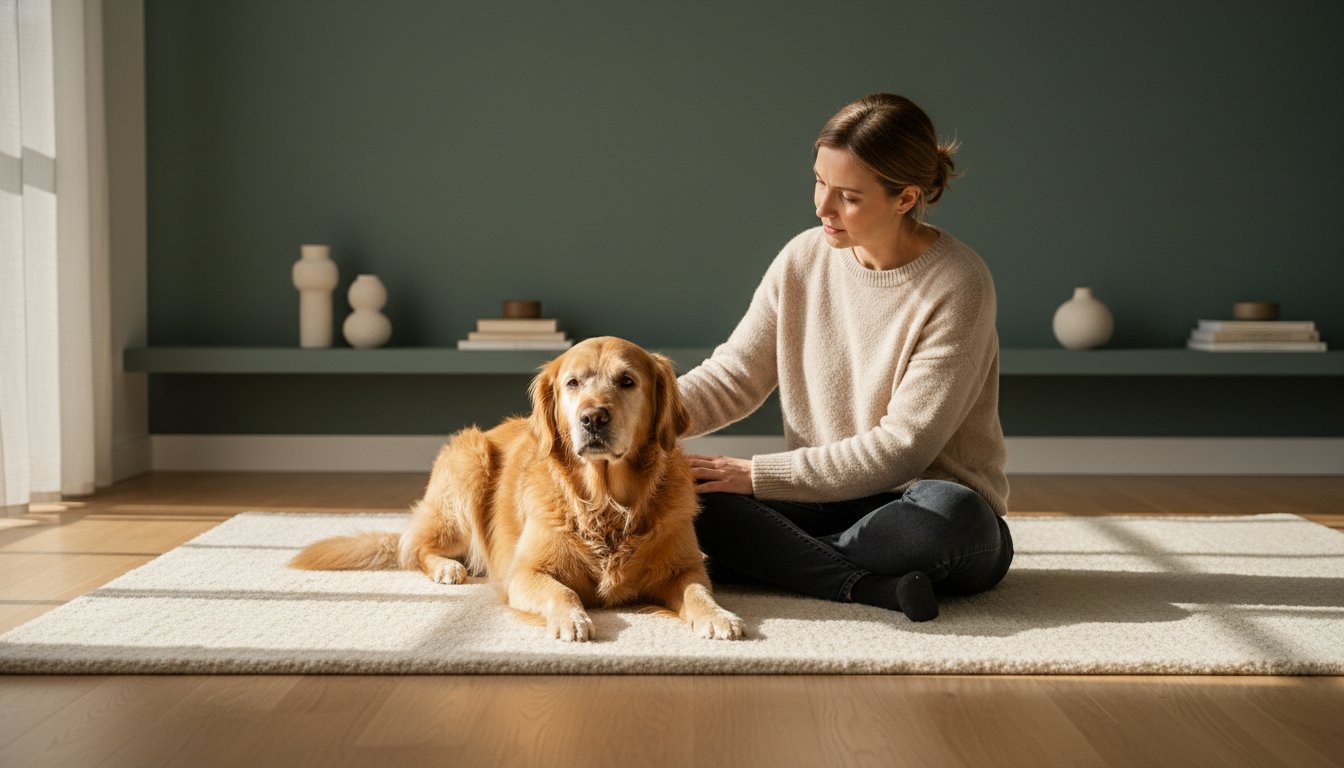
Your dog isn’t being “fine” when they walk with a hitch; they are simply masters of the silent struggle. It’s deeply confusing to watch your companion favor a leg while they still wag their tail and chase their favorite ball. You might feel a pang of guilt, wondering if you’re overreacting or if you’ve missed a serious injury just because they aren’t yelping. The thought “my dog is limping but not in pain” is a common one among dedicated pet parents, but in the canine world, silence rarely equals comfort. Because one in four adult dogs, and up to 80% of seniors, suffer from osteoarthritis, understanding these muted signals is vital.
This guide will help you decode the stoic nature of your dog, revealing why they hide their distress and how you can identify the subtle signs of mobility issues before they escalate into something more serious. We’ll explore the biological reasons for this phenomenon, provide a simple framework for assessing your dog’s gait at home, and discuss proactive, botanical ways to support their joint health. You’ll gain the clarity needed to move from anxiety to action, ensuring your companion stays active and vibrant for years to come.
Key Takeaways
- Understand why your dog’s evolutionary instinct to mask vulnerability means a lack of yelping doesn’t signify a lack of physical discomfort.
- Learn to perform a “gentle touch” scan at home to detect hidden heat, swelling, or muscle tension that your companion cannot communicate through sound.
- Discover how to identify subtle behavioral shifts, such as a new reluctance to climb stairs, that serve as early warnings for structural imbalances.
- Realize that while it may seem like my dog is limping but not in pain, implementing strict rest and environmental adjustments can prevent a minor hitch from becoming a chronic mobility struggle.
- Explore the “Wise Caretaker” approach to long-term vitality by supporting cartilage integrity with scientifically backed botanical ingredients.
The Stoic Dog: Why Limping Doesn’t Always Mean Yelping
A limp is a physical language, not just a symptom. While we often wait for a sharp yelp or a whimper to signal distress, dogs communicate their internal state through subtle shifts in weight and alterations in stride. Limping is, by definition, a physical manifestation of discomfort or a structural abnormality within the body. It’s a sign that the delicate balance of movement has been disrupted. Because dogs are biologically programmed to endure, you might find yourself observing that my dog is limping but not in pain, when in reality, they are simply managing a dull, chronic ache rather than an acute, sharp sting. This resilience is a gift, but it can also be a mask that hides a growing struggle.
This masking behavior is rooted in an evolutionary “survival of the fittest” instinct. In the wild, showing vulnerability or physical weakness could mean being targeted by predators or being left behind by the pack. Modern dogs still carry this ancestral blueprint, leading them to hide their struggles until the discomfort becomes impossible to ignore. Instead of crying out, they utilize a process called compensation. They shift their center of gravity away from the affected area, placing more stress on healthy limbs to maintain their mobility. While this allows them to keep up on walks, it eventually creates secondary strain and muscle tension in the “good” legs, turning a localized issue into a full-body challenge.
The Biology of Pain Masking
Adrenaline is a powerful biological override that can temporarily silence the body’s warning signals. During a spirited game of fetch or an exciting encounter at the park, a dog’s high drive can completely override minor pain signals. This is why a dog might run at full speed despite a brewing orthopedic issue. You may also notice that senior dogs often “warm out” of a limp. After sleeping, their joints are stiff and the limp is prominent, but as they move, increased blood flow and joint lubrication provide temporary relief. This adaptation by the nervous system allows them to function, but it doesn’t mean the underlying joint change has vanished. It’s a sign of the body working hard to stay active despite gradual wear.
Limping vs. Lameness: What’s the Difference?
Understanding the distinction between a mechanical limp and inflammatory lameness is key to being a wise caretaker. A mechanical limp occurs when a joint’s range of motion is physically restricted, even if active, sharp inflammation isn’t present in that exact moment. This is common in chronic conditions like Canine hip dysplasia, where the joint’s structure has changed over time. Lameness, conversely, often implies a more severe inability to bear weight, usually following a sudden injury. Regardless of the cause, any change in how your dog walks is a signal worth investigating. It’s their way of telling you that their structural integrity needs your support to regain its natural vigor.
Common Causes of Limping Without Obvious Signs of Injury
Watching your dog move with a persistent hitch can be deeply unsettling, especially when they continue to wag their tail and seek out play. You might find yourself searching for answers because my dog is limping but not in pain, yet the visual evidence of a struggle is undeniable. This “silent” limp often stems from underlying conditions that develop gradually, rather than a single traumatic event. From early-stage arthritis to subtle soft tissue “niggles,” the body is often signaling a need for structural support long before the animal vocalizes their distress.
There are several common causes of dog limping that lack the typical hallmarks of an injury. In small breeds, a luxating patella, where the kneecap slips out of its groove, can cause a skip or a “hop” that seems to resolve itself instantly. Large breeds may exhibit a “lazy” gait or a swaying of the hips, which are frequently the first whispers of hip dysplasia. These aren’t always accompanied by sharp pain; instead, they represent a mechanical inefficiency that the body tries to bypass through compensation. Identifying these early markers allows us to intervene with targeted joint support before the wear becomes irreversible. By addressing these structural imbalances early, we can preserve the fluidity of their movement and support their long-term vitality.
Orthopedic Imbalances and Joint Wear
Cartilage serves as the essential cushion between bones, but when it begins to thin, the smooth glide is replaced by a mechanical restriction. This often leads to a limp visible after a long nap. The “stiffness after rest” cycle is a classic indicator of joint wear, where the dog struggles for a few steps before “warming up.” Daily habits, like jumping off high furniture, also contribute to this cumulative structural stress.
Neurological and Paw-Related Issues
Sometimes the cause is neurological rather than structural. Conditions like Intervertebral Disc Disease (IVDD) can manifest as a subtle scuffing of the back toes or a dragging of a limb. This weakness is distinct from a reaction to discomfort. Additionally, hidden paw problems like cracked pads or a small pebble between toes can create a significant hitch. A meticulous paw check is a vital first step in your assessment.
The Silent Pain Assessment: How to Read Your Dog’s Hidden Cues
You know your dog’s rhythms better than anyone else. When you observe that my dog is limping but not in pain, you are witnessing their remarkable ability to compensate for a physical imbalance. Because our companions cannot tell us where it hurts, we must become detectives of their movement. A structured home assessment helps bridge the gap between your intuition and their hidden discomfort. By looking for subtle physical and behavioral shifts, you can identify the whispers of a struggle before they become a roar of mobility loss.
Start with a “gentle touch” scan. Run your hands slowly down their limbs, feeling for heat, localized swelling, or unusual muscle tension. Even if they don’t cry out, a slight flinch or a tensing of the skin is a clear communication. Observe their secondary pain signals as well. Excessive licking of a specific wrist or hock is often a dog’s way of self-soothing a dull ache. Similarly, heavy panting when it isn’t hot or after minimal exertion can signal internal stress. These aren’t just quirks; they’re the body’s way of processing a persistent, underlying discomfort.
One of the most definitive signs of a long-term struggle is muscle atrophy. Stand behind your dog while they are standing squarely. Is one thigh noticeably thinner or less defined than the other? This asymmetry suggests they’ve been offloading weight for a significant period. According to the American Kennel Club’s guide on Common Causes of Limping in Dogs, gradual onset conditions like osteoarthritis often lead to this subtle wasting of muscle as the dog favors their “stronger” legs. This structural shift is a silent plea for intervention.
Behavioral Red Flags Beyond the Limp
Watch how your dog rests. If they constantly circle or shift positions before lying down, they’re likely struggling to find a comfortable angle for their joints. Sudden irritability or a new withdrawal from social interaction isn’t just a sign of “getting older.” It’s often a protective mechanism to avoid accidental bumps to a sensitive area. Learned helplessness in chronic canine pain occurs when a dog stops trying to avoid discomfort because they’ve realized the sensation is inescapable, leading to a quiet, stoic demeanor that owners often mistake for being “fine.”
The Physical Home Check
Check their symmetry while they eat. A dog in discomfort will often shift their weight to one side or stand with their legs tucked under their belly to relieve pressure. Safely palpate the limb by applying light, steady pressure. A “withdraw” reflex, where they pull the paw away, is a clear sign of sensitivity. Finally, watch for “knuckling.” This happens when a dog doesn’t fully realize their paw has turned over, often indicating a neurological disconnect rather than a simple joint issue. Identifying these nuances is the first step toward restoring their natural vigor.
Immediate Home Care and Support for Mobility
When you first realize that my dog is limping but not in pain, the most powerful tool at your disposal is immediate environmental and activity modification. While their wagging tail suggests they are ready for a hike, their body is quietly asking for a reprieve. Implementing a period of strict rest serves as both a treatment and a diagnostic tool. By restricting your dog to leashed walks for only five to ten minutes for a full 48 hours, you allow minor soft tissue strains to settle. If the limp persists after this period of enforced stillness, it strongly indicates a structural or orthopedic issue that requires a deeper clinical look. This window of observation prevents a minor “niggle” from escalating into a chronic mobility challenge.
Temperature therapy offers another layer of restorative care. If you notice localized heat or swelling after a walk, applying a cold pack for ten minutes can help calm the inflammatory response. Conversely, for the “stiffness after rest” cycle mentioned earlier, gentle warmth applied to the joint for fifteen minutes can increase blood flow and suppleness. These small, meticulous acts of care mirror the “Wise Caretaker” philosophy, focusing on rejuvenation and comfort at a cellular level. To support this internal healing process, you can integrate Joint Support Chews into their daily routine to provide the botanical building blocks necessary for cartilage maintenance.
Nurturing the Home Environment
Hardwood and tile floors are often the hidden enemies of a dog with a gait abnormality. Slipping on slick surfaces creates micro-trauma in the joints as the dog tenses their muscles to stay upright. Placing area rugs in high-traffic zones provides the traction they need to move with confidence. For dogs who insist on joining you on the sofa, using a ramp instead of allowing them to jump reduces the high-impact stress on their front wrists and shoulders. While their physical activity is restricted, keep their mind vibrant with scent games or puzzle feeders to prevent the frustration that often accompanies rest.
The Role of Weight and Nutrition
Weight management is perhaps the most critical factor in preserving long-term mobility. Research has shown that losing even a modest 6% of body weight can lead to a significant reduction in lameness for dogs suffering from osteoarthritis. Every extra pound acts as a physical burden on already compromised joints, accelerating the thinning of cartilage. Beyond the physical weight, excess adipose tissue secretes pro-inflammatory cytokines that contribute to systemic inflammation throughout the body. Transitioning to a wellness routine that prioritizes lean muscle mass and high-quality nutrients is essential for restoring their natural vigor and strength.
Nurturing Vitality: Proactive Support for Long-Term Mobility
The Wise Caretaker doesn’t wait for a structural crisis; they anticipate the body’s needs through meticulous preparation and deep empathy. When you realize that my dog is limping but not in pain, you have reached a pivotal moment in your shared journey. It’s an opportunity to shift from reactive monitoring to proactive restoration. By supporting the musculoskeletal system before the wear becomes debilitating, you provide your companion with the resilience they need to maintain their natural vigor. This holistic approach moves away from the clinical coldness of traditional interventions, focusing instead on organic well-being and the long-term health story of your family member.
Scientific rigor is the foundation of effective joint care. Glucosamine and Chondroitin are not merely popular additives; they are the biological scaffolding of healthy cartilage. These compounds work in tandem to support the repair of connective tissues and maintain the integrity of the joint matrix. However, the source of these ingredients matters immensely. Ingredient transparency and “clean labels” ensure that your dog receives pure, potent nutrients without the fillers or synthetic byproducts that can burden their system. Paws & Whiskers Joint Support Chews are formulated with this meticulous attention to detail, empowering your dog to move with a renewed sense of physical freedom and strength.
Targeted Ingredients for Movement
Managing the inflammatory response is essential for a dog who is compensating for a silent struggle. Omega-3 fatty acids provide a potent, botanical-origin solution that supports joint suppleness from the inside out. When paired with the rejuvenating properties of Turmeric and Boswellia, these ingredients offer a heart-centered alternative to harsher options. By providing the essential precursors for glycosaminoglycans, joint supplements for dogs ensure the synovial fluid remains viscous and protective, acting as a natural shock absorber for every stride. This targeted nourishment helps maintain the “glide” in their gait, even as they age.
A Lifetime of Vitality
Embracing “pre-hab” is always more effective than attempting “re-hab” after mobility has significantly declined. Starting a joint support regimen early in a dog’s life, particularly for breeds prone to orthopedic challenges, creates a legacy of health that pays dividends in their senior years. There is a profound psychological relief for you as a caretaker when you take a proactive stance, knowing you are honoring your dog’s stoic nature with tangible support. This commitment to their physical vigor ensures that their golden years are spent exploring the world, not just watching it from the sidelines. Nurture your dog’s vitality with our science-backed Joint Support Chews and restore the effortless movement they deserve.
Restoring the Joy of Movement
Your dog’s silence isn’t a sign of comfort; it’s a testament to their profound resilience. We’ve uncovered how evolutionary instincts and biological compensation can make it seem like my dog is limping but not in pain, when in reality, their structural integrity is asking for targeted support. By mastering the silent pain assessment and nurturing their home environment, you’ve already taken the first vital steps toward protecting their long-term mobility and physical vigor.
True restoration begins when we support the body’s natural ability to rejuvenate from within. Our Joint Support Chews offer a vet-approved formulation meticulously designed to maintain cartilage integrity and synovial fluid health. Each chew is manufactured in FDA-registered US facilities, utilizing clean-label, natural ingredients with no hidden fillers to ensure the highest purity and efficacy. You can support your dog’s journey back to vitality with our Joint Support Chews and honor their stoic spirit with the scientific care they deserve.
Let’s turn that hesitant hitch back into a confident wag. Your companion’s best days of exploration and movement are still ahead, and we’re here to help them walk that path with strength.
Frequently Asked Questions
Is it okay to wait and see if my dog’s limp goes away on its own?
It’s appropriate to monitor a minor hitch for no more than 48 hours while implementing strict rest. If the limp doesn’t resolve within this window, it typically indicates an underlying structural issue rather than a simple sprain. Delaying a professional assessment can allow compensation patterns to set in, making the eventual recovery more complex and prolonged for your companion.
Can a dog limp from a minor paw injury without being in pain?
A limp is always a physical response to discomfort, even if your dog doesn’t vocalize. A minor paw injury, like a small thorn or a cracked pad, creates a mechanical discomfort that alters their gait. While they might still be eager to play, the hitch in their step is a clear signal that their body is seeking relief from a localized irritation.
What are the first signs of arthritis in dogs if they aren’t yelping?
Early arthritis often manifests as a subtle slowing down rather than an obvious cry of pain. You might notice your dog taking longer to stand up or choosing to sleep on the floor rather than jumping onto the bed. These behavioral shifts are the first whispers of joint wear, occurring long before the condition reaches a stage of acute, vocalized distress.
Could my dog’s limp be caused by a tick-borne illness?
Shifting leg lameness is a classic symptom of tick-borne illnesses like Lyme disease. This type of limp may appear in one leg and then move to another a few days later. Because this is a systemic infection, it’s often accompanied by lethargy or a decreased appetite. This makes a professional veterinary blood panel essential for an accurate and timely diagnosis.
How can I tell if my dog is ‘stoic’ about their pain?
Stoic dogs communicate through microscopic changes in their daily routine. If you find yourself thinking my dog is limping but not in pain, look for secondary indicators like excessive panting, dilated pupils, or a sudden preference for solitude. These animals are masters at masking vulnerability, so a change in their normal personality is often their most honest way of asking for help.
Are there natural ways to support my dog’s joints before they need medication?
Proactive nutritional support using botanical ingredients is an excellent way to maintain joint health. Ingredients like glucosamine, chondroitin, and Omega-3 fatty acids provide the essential building blocks for cartilage and synovial fluid. Starting these supplements early in life helps preserve structural integrity, potentially delaying the need for more intensive interventions by supporting the body’s natural rejuvenation processes.
What should I do if my dog is limping only after they wake up from a nap?
This warming up period is a hallmark sign of early joint stiffness or osteoarthritis. When the dog is still, the joint fluid can become less viscous, leading to initial discomfort that improves as movement increases blood flow. You can support them by providing a high-quality orthopedic bed and integrating daily joint support chews to maintain flexibility and long-term vitality.
Can long nails cause a dog to limp without causing direct pain?
Overgrown nails physically force the paw to tilt at an unnatural angle, creating a mechanical imbalance. This constant shift in the center of gravity puts unnecessary strain on the tendons and joints further up the leg. While the nail itself might not hurt, the resulting structural misalignment can cause a persistent limp that disappears once the nails are trimmed to a healthy length.
Disclaimer
The information provided in this article is for educational and informational purposes only and is not intended as veterinary advice. Every dog is unique, and health concerns should be discussed with a licensed veterinarian. Always consult your veterinarian before introducing new supplements, changing your dog's diet, or beginning any health or wellness program, particularly if your dog has a medical condition, is pregnant or nursing, or is taking prescription medications.