
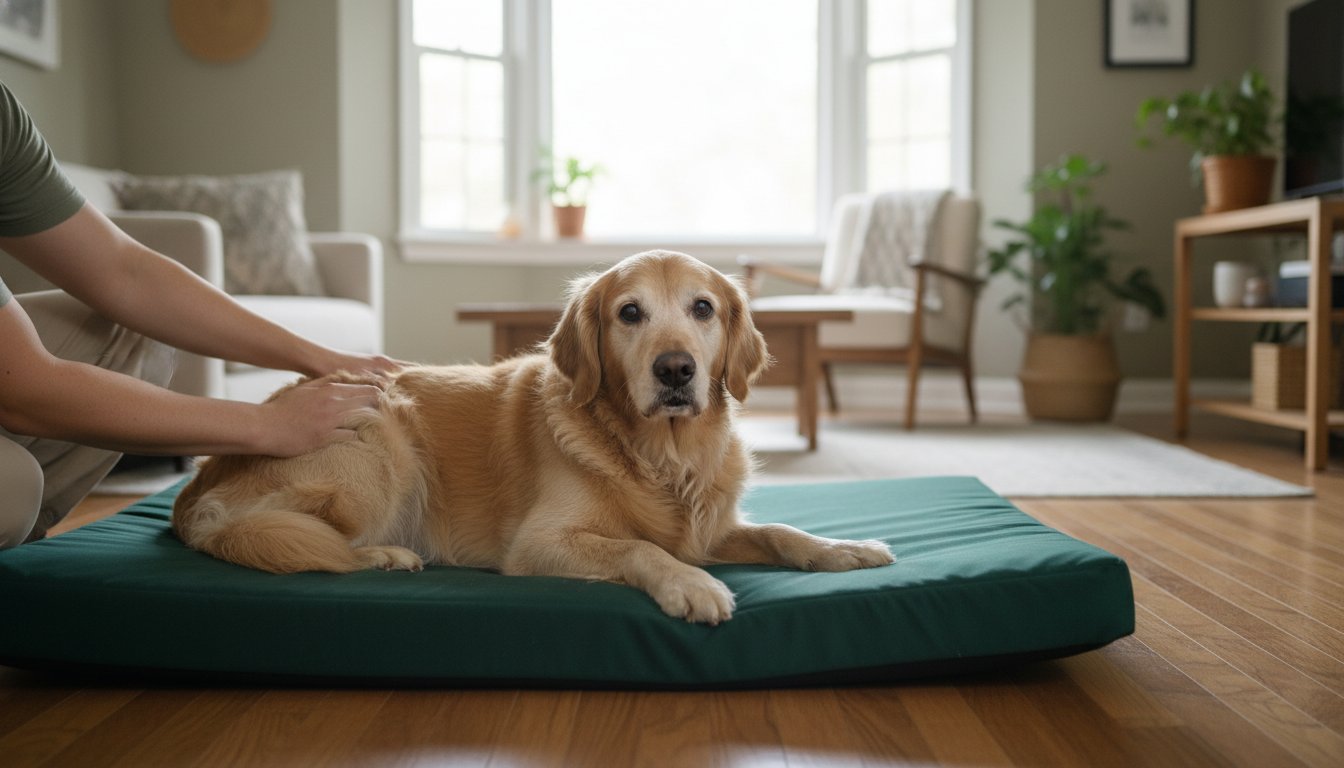
You watch from the hallway as your once-tireless companion pauses at the edge of the rug, their back legs trembling as they attempt to find purchase on the floor. It is a quiet, heavy moment when you realize your older dog having trouble getting up isn’t just an inevitable sign of age; it’s a call for a more meticulous, nurturing kind of care. You aren’t alone in this worry, as nearly 14 million adult dogs in the United States currently navigate the challenges of joint discomfort and reduced mobility.
We understand the visible distress of seeing a family member struggle, and we know how overwhelming it feels to sift through conflicting advice in search of a pure, effective solution. This guide provides a compassionate, science-backed framework to help your senior dog regain their strength and confidence when standing. We will explore how a multimodal approach, blending environmental adjustments with clean-label joint support chews, can restore your dog’s physical vigor and improve their daily quality of life. Together, we can move from a place of concern toward a future of hope and restoration.
Key Takeaways
- Distinguish between natural aging and clinical mobility issues to identify the “vicious cycle” of inflammation that keeps your pet stationary.
- Learn to recognize subtle signs of an older dog having trouble getting up, such as the “bunny hop” gait or slipping on smooth surfaces, which indicate hidden physical distress.
- Implement immediate environmental changes, like creating “traction highways” with rugs and utilizing orthopedic bedding, to reduce morning stiffness and restore confidence.
- Understand the restorative power of the “Big Three” ingredients; Glucosamine, Chondroitin, and MSM, to transition from reactive care to proactive joint rejuvenation.
- Discover how meticulous, clean-label supplementation with Joint Support Chews can provide the essential building blocks for your dog’s physical vigor and long-term comfort.
Why Your Older Dog is Having Trouble Getting Up
It starts as a slight hesitation. You notice your older dog having trouble getting up from their favorite nap spot, their paws scrabbling for a moment before they finally find their footing. While we often dismiss these moments as just “getting old,” there is a profound biological story unfolding beneath the surface. For approximately 20% of adult dogs, this isn’t just a slower pace; it is the clinical reality of degenerative joint changes. Understanding this transition is the first step in moving from helpless observation to active, heart-centered care.
When joints hurt, dogs move less. This natural self-preservation creates a “vicious cycle” of decline that is difficult to break without intervention. As activity decreases, the muscles surrounding the joints begin to atrophy, losing the strength needed to support the skeletal structure. This lack of support increases the mechanical stress on the already inflamed joint, leading to further discomfort and even less movement. This cycle is often compounded by a decline in the nervous system. Senior dogs frequently experience a loss of proprioception, which is the body’s ability to sense its own position in space. When a dog can’t feel exactly where their paws are on a slick floor, the act of standing becomes a frightening task rather than a simple movement.
The Biological Roots of Mobility Struggle
Inside the joint capsule, the synovial fluid, which acts as a vital lubricant, begins to lose its viscosity as a dog ages. Without this slick, protective layer, the cartilage cushioning the bone ends wears thin, leading to the friction that causes that characteristic morning stiffness. This is distinct from the sharp pain of an acute injury; it’s a chronic, dull ache that often dissipates slightly once the dog begins to move and the joint “warms up.” Weight distribution also plays a critical role. Even a small amount of excess weight can exponentially increase the pressure on compromised hips or elbows, making the initial push off the ground feel like an insurmountable climb for an older dog having trouble getting up.
When to Consult Your Veterinarian
While many mobility challenges are a manageable part of the senior years, certain “red flag” symptoms require immediate professional attention. If you notice your dog suddenly collapsing, vocalizing in pain, or showing a complete refusal to move, a veterinary visit is essential. A formal diagnosis can distinguish between common osteoarthritis and more complex neurological issues like Intervertebral Disc Disease (IVDD). Early intervention allows you to explore a multimodal treatment plan that might include Canine physical therapy, weight management, and targeted nutritional support. You are your dog’s most important advocate. Seeking professional guidance ensures that your nurturing care is built on a foundation of clinical accuracy, giving your companion the best chance at restored vigor.
Assessing Your Dog’s Mobility: Signs of Hidden Distress
Dogs are masters of stoicism. By the time you notice an older dog having trouble getting up, they have likely been quietly compensating for joint discomfort for months. Their language is one of subtle shifts rather than loud complaints. One of the most significant indicators of hidden distress is the “bunny hop.” If your dog begins moving their hind legs in unison rather than with a rhythmic, alternating stride, they’re likely trying to minimize the weight-bearing load on a painful hip or knee. This isn’t just a change in gait; it’s a strategic survival mechanism.
Pay close attention to how they navigate the geography of your home. A sudden hesitation at the base of the stairs or a reluctance to jump onto the sofa is often a precursor to more severe standing issues. Slipping on smooth floors is another critical warning sign. As dogs age, their paw pads can lose moisture and traction, making hardwood or tile feel like a sheet of ice. This physical instability leads to a loss of confidence, where the fear of falling becomes just as debilitating as the physical pain itself. You might also notice your dog becoming restless at night, frequently shifting positions or panting in a cool room, which are common signs of exertion-related pain.
The Subtle Language of Canine Discomfort
Pain in senior dogs often manifests as “panting without heat,” where the elevated breathing rate is a physiological response to internal stress. If you see your dog persistently licking a specific wrist or hock, they are likely attempting to soothe localized inflammation. This behavior is often linked to a decline in proprioception. Proprioception is the body’s neurological ability to sense its own position and movement in space; when this “sixth sense” fades, an older dog having trouble getting up feels disconnected from their own limbs, making the act of rising feel dangerous and unpredictable.
Creating a Mobility Baseline
To be a truly effective caretaker, you must become a student of your dog’s movement. We recommend filming your dog once a week as they walk and rise from a resting position. This visual record allows you to track subtle improvements or declines that are easy to miss day-to-day. A vital metric to observe is the “time-to-stand.” Does your dog rise in one fluid motion, or does it take multiple attempts and significant trembling? Effectively managing these transitions often involves the control of pain associated with osteoarthritis through a comprehensive, multimodal care plan. By establishing this baseline, you can better decide when to incorporate natural joint supplements for dogs to support their long-term rejuvenation. Our Joint Support Chews offer a nurturing way to provide these essential building blocks, helping your companion find their footing with renewed vigor.
How to Help an Older Dog Stand Up: Immediate Home Modifications
Your home’s layout can either be a sanctuary or a series of obstacles for an older dog having trouble getting up. While internal support is vital, immediate environmental modifications provide the external stability your companion needs to feel safe. We must look at our living spaces through their eyes, identifying where a lack of traction creates a psychological barrier to movement. By creating a predictable, high-traction environment, you reduce the physical toll on their joints and the mental stress of navigating their own home.
Think of your flooring as a map of safety. Hardwood, tile, and laminate are “no-go zones” for senior paws. Creating a “traction highway” involves placing yoga mats or low-pile runners in a continuous path from the bed to the food bowl and the back door. This prevents the “splits” and reduces the muscle strain required to maintain balance. When your dog needs a hand, avoid lifting from the armpits or belly with your hands; this can cause bruising or spinal stress. Instead, use a dedicated lifting harness or a simple towel sling placed under the pelvic floor. This allows you to provide upward momentum while keeping your dog’s spine neutral and supported.
Eliminating the “Slippery Floor” Fear
Senior dogs often develop a profound fear of smooth surfaces after a single fall. This fear causes them to tense their muscles, which ironically makes them more likely to slip. To restore their confidence, follow this 3-step guide to securing area rugs: first, choose rugs with a heavy, non-latex rubber backing. Second, use double-sided rug tape to prevent corner curling, which can be a trip hazard. Third, test the “slide factor” with your own foot before letting your dog transition. Don’t overlook nail trimming; long nails push the paw pads upward, significantly reducing the surface area available for grip.
Optimizing the Sleeping Environment
The bed your dog chooses is the foundation of their morning mobility. Ultra-soft, plush beds might look comfortable, but they lack the resistance needed for an older dog having trouble getting up to push themselves into a standing position. High-density memory foam is superior because it provides pressure relief for aching joints while remaining firm enough to support a steady lift. Temperature control is also a factor. Keeping your dog’s sleeping area warm prevents the synovial fluid in their joints from “geling” overnight, which is a primary cause of that stiff, painful start to the day. A warm, supportive bed acts as a nurturing cocoon that prepares their body for the first movements of the morning.
The Science of Joint Support: Choosing the Right Ingredients
It is a common misconception that mobility decline is a one-way street toward the end of a dog’s life. In reality, the body possesses a remarkable capacity for rejuvenation when provided with the precise molecular tools it needs to function. When you witness an older dog having trouble getting up, you’re seeing a biological system struggling to maintain its own structural integrity. This is the moment to move from reactive crisis management toward a proactive, nurturing framework of supplementation. By addressing the root causes of stiffness, we can help restore the physical vigor that defines your dog’s spirit.
Think of Omega-3 fatty acids as a natural fire extinguisher for the chronic, low-grade inflammation that plagues aging joints. These essential fats work at a cellular level to soothe irritation and improve overall flexibility. However, the purity of these ingredients is paramount. A “Clean Label” isn’t just a marketing preference; it’s a safety requirement for senior dogs whose livers and kidneys may be less efficient at filtering out the synthetic binders, fillers, or heavy metals often found in mass-market products. Choosing high-quality, transparently sourced nutrients ensures your care remains a gift to their health, not a burden on their internal organs.
Restoring Synovial Fluid and Cartilage
The “Big Three” of joint health; Glucosamine, Chondroitin, and MSM; work in a sophisticated harmony to rebuild what time has worn away. Glucosamine acts as the essential building block for joint repair, providing the raw materials needed to maintain healthy cartilage. Chondroitin complements this by acting as a molecular magnet for water, ensuring that joints remain elastic and properly cushioned even under the pressure of movement. To complete this triad, MSM serves as a vital source of organic sulfur that effectively neutralizes free radicals and reduces the oxidative stress that accelerates joint aging. Together, these components help an older dog having trouble getting up find the internal resilience necessary to rise with ease.
The Power of Botanical Anti-Inflammatories
Nature offers potent allies in the form of Turmeric and Boswellia, which serve as gentle, effective alternatives to harsh NSAIDs. These botanicals target inflammatory pathways without the gastrointestinal or renal side effects often associated with long-term pharmaceutical use. The secret to their efficacy lies in bioavailability; unless these ingredients are formulated for maximum absorption, they simply pass through the system without providing relief. To explore a deeper understanding of how these nutrients work together, we invite you to read our comprehensive guide on dog supplements. Supporting your companion’s journey with natural joint supplements for dogs is a heart-centered investment in their long-term comfort and daily joy.
Nurturing Vigor with Paws & Whiskers Joint Support Chews
Restoring the skip in a senior dog’s step requires more than just hope; it demands a meticulous blend of nature’s finest botanicals and laboratory-grade precision. Our Joint Support Chews are specifically formulated to address the physiological hurdles faced by an older dog having trouble getting up. By delivering a concentrated dose of restorative nutrients directly to the compromised joint capsule, we help break the cycle of stiffness and muscle disuse. We don’t just aim to mask the symptoms; we work to provide the structural building blocks your dog needs to rise with stability and grace.
Trust is the foundation of our partnership with you. Every batch of our chews is meticulously crafted in an FDA-registered facility right here in the USA, ensuring that your family member receives only the highest standards of safety and efficacy. These vet-approved formulations are designed for long-term use, providing the steady, cumulative relief that senior dogs need to thrive. After 30 days of consistent use, most owners report the “Happy Tail” outcome: a dog that rises with less trembling and greets the day with renewed physical vigor. To ensure your companion never misses a single day of this essential support, our subscription service offers a seamless way to maintain their progress without interruption.
A Clean-Label Solution for Sensitive Seniors
We believe that what we leave out of our chews is just as important as what we put in. Many mass-market options are loaded with corn, soy, and artificial preservatives that can place an unnecessary burden on an aging dog’s digestive and filtration systems. Our Joint Support Chews are strictly clean-label, focusing on purity and transparency. We utilize a specialized cold-press manufacturing process because high-heat methods can degrade the integrity of active ingredients like Glucosamine and Omega-3s. This meticulous preparation ensures that every chew retains its full biological potency, acting as a gentle yet powerful ally in your dog’s journey toward restoration.
Your Next Steps Toward Restored Mobility
Helping an older dog having trouble getting up is a journey that flourishes with a holistic approach. While targeted nutrition provides the internal foundation, combining our chews with the environmental modifications and low-impact exercises discussed in previous sections creates a comprehensive path to wellness. We invite you to join our community of proactive senior dog owners who are dedicated to honoring the golden years with intellectual rigor and deep affection. Your dog has spent a lifetime looking after you; now, it’s your turn to provide the nurturing care they deserve. Restore your dog’s mobility with our Joint Support Chews today.
Moving Toward a Future of Restored Mobility
Your journey as a caretaker is a profound testament to the bond you share with your companion. We’ve explored how an older dog having trouble getting up is often caught in a cycle of inflammation and muscle loss that can be broken with the right tools. By combining immediate home modifications like traction highways with the science of proactive supplementation, you’re providing a multimodal path to restoration. This isn’t just about slowing a decline; it’s about actively nurturing your pet’s physical vigor and structural integrity.
Our mission is to support this transition with intellectual rigor and deep empathy. We offer vet-approved formulations manufactured in FDA-registered US facilities, ensuring every chew meets the rigorous standards your family member deserves. These 100% clean-label ingredients contain no hidden fillers, focusing instead on pure, botanical origins that support long-term wellness. Support your senior dog’s journey back to mobility with our Joint Support Chews.
You have the power to transform their daily experience from one of hesitation to one of confidence. Every step toward better mobility is a gift of comfort and dignity. Let’s work together to ensure their golden years are defined by movement and the enduring joy of your shared life story.
Frequently Asked Questions
Is it normal for an older dog to have trouble standing up?
While difficulty standing is common, it is typically a clinical sign of degenerative joint changes rather than a natural, healthy part of aging. Approximately 20% of adult dogs navigate these mobility challenges. You should view this hesitation as an invitation to adjust their care plan and address the underlying discomfort that makes rising a struggle.
Can a dog recover from mobility loss due to old age?
Significant restoration of mobility is often possible through a multimodal approach that combines environmental changes with targeted nutritional support. While we can’t reverse the biological clock, many dogs regain physical vigor and confidence when their internal inflammation is managed. Consistently supporting their joint structure allows them to move with a renewed sense of ease and strength.
How can I tell if my dog is in pain when they try to stand?
Pain in senior dogs is often silent and manifested through subtle physiological shifts. You might notice trembling in the hind legs, heavy panting even in cool temperatures, or a quiet hesitation before they attempt to rise. These behaviors, along with localized licking of the joints, are clear indicators of the unspoken discomfort your older dog having trouble getting up is experiencing.
What is the best floor surface for an older dog with weak legs?
The ideal environment for a senior dog includes high-traction surfaces that provide a secure grip for their paws. Low-pile area rugs, rubberized yoga mats, or interlocking foam tiles create a “traction highway” that prevents the slips common on hardwood or tile. These surfaces reduce the muscular effort required to maintain balance, allowing your dog to stand without the fear of falling.
Do joint supplements actually work for senior dogs who already have trouble standing?
Targeted joint supplements are highly effective because they provide the precise molecular building blocks needed to support synovial fluid and cartilage. Even for dogs already struggling, ingredients like Glucosamine and MSM help soothe existing inflammation and provide structural support. This proactive intervention helps an older dog having trouble getting up find the internal resilience necessary to navigate their daily life more comfortably.
How long does it take to see results from joint chews?
Most pet owners observe noticeable improvements in mobility and vigor within four to six weeks of consistent daily use. Because nutraceuticals work cumulatively to support the body’s internal structures, it is important to allow time for the nutrients to reach therapeutic levels in the joints. This steady progression toward restoration is a long-term health project that prioritizes global care over quick, temporary fixes.
What exercises can help a senior dog strengthen their hind legs?
Controlled, low-impact movements are essential for maintaining the muscle mass that supports aging joints. Slow, leashed walks on soft surfaces or supervised swimming sessions provide cardiovascular benefits without the jarring impact of running. These gentle activities help counteract the cycle of muscle disuse, ensuring your companion stays strong enough to rise with confidence.
Can I give my dog human glucosamine for their joint pain?
It is safer to use products specifically formulated for canine physiology rather than human alternatives. Human supplements often contain dosages that aren’t appropriate for dogs or hidden ingredients like xylitol that are toxic to animals. Choosing a clean-label, vet-approved chew ensures your dog receives the correct concentration of nutrients without any unnecessary risks to their internal health.
Disclaimer
The information provided in this article is for educational and informational purposes only and is not intended as veterinary advice. Every dog is unique, and health concerns should be discussed with a licensed veterinarian. Always consult your veterinarian before introducing new supplements, changing your dog's diet, or beginning any health or wellness program, particularly if your dog has a medical condition, is pregnant or nursing, or is taking prescription medications.