
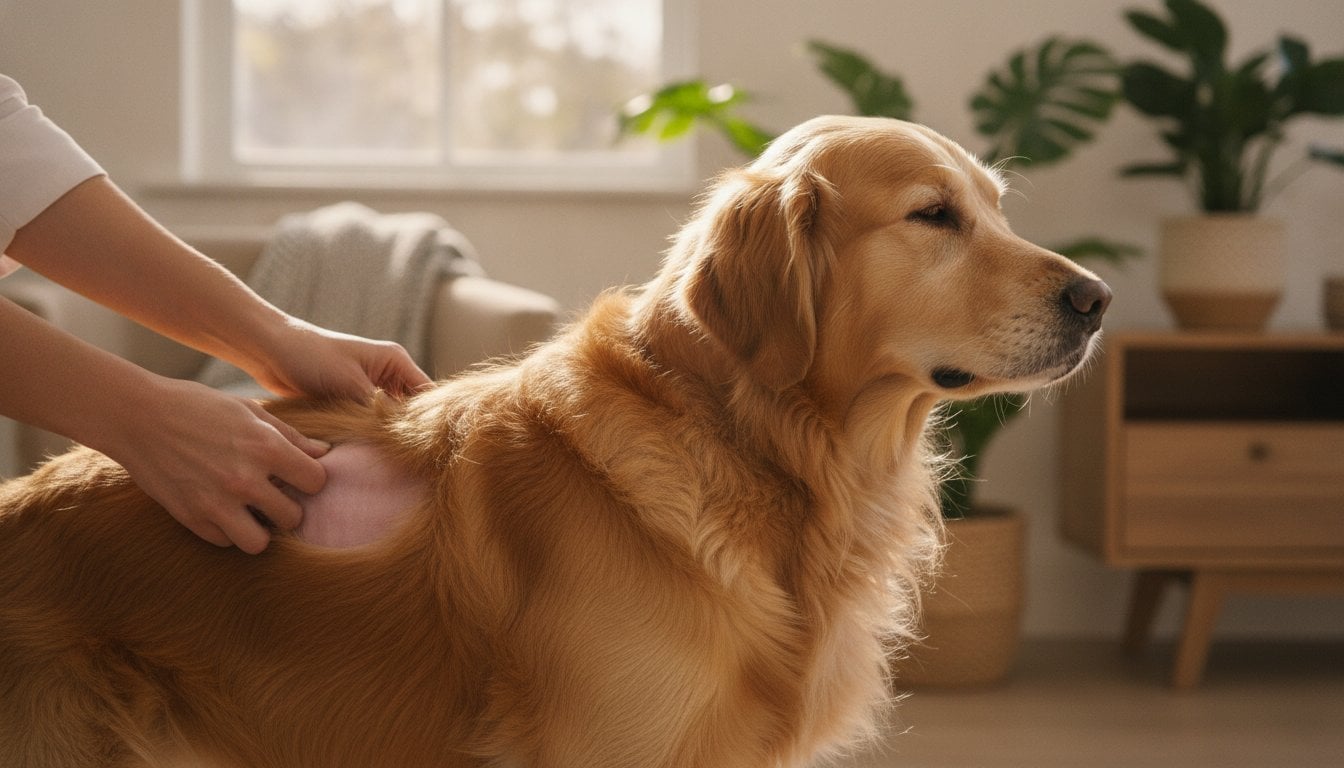
What if the secret to your dog’s comfort isn’t found in a topical spray, but within the very cells of their skin? It’s deeply distressing to watch your companion suffer through the relentless cycle of itching and flaking. You have likely tried the “band-aid” solutions that offer only a fleeting moment of relief, leaving you frustrated while searching for how to prevent dry skin on dogs effectively. With skin conditions ranking as one of the top ten most common veterinary claims in 2025, it’s clear that traditional methods often fall short of providing lasting restoration.
This article serves as a scientist’s guide to the biological foundations of canine skin health. You will discover a routine grounded in empirical data and clean-label transparency, moving away from confusing supplement labels toward restorative wellness. We will explore how to fortify your dog’s natural defenses through a “Core-to-Coat” approach and select nutritional support that ensures a shiny, flake-free coat for years to come.
Key Takeaways
- Understand the biological blueprint of the canine skin barrier and why nurturing sebaceous glands is essential for maintaining natural protective oils.
- Learn how to prevent dry skin on dogs through a proactive, year-round routine that addresses internal nutrition before external symptoms emerge.
- Identify environmental stressors, such as indoor heating and seasonal shifts, that compromise coat hydration and how to safeguard against them.
- Discover the role of high-potency Omega-3 fatty acids and clean-label EPA/DHA in fortifying your dog’s coat from the inside out.
- Differentiate between simple dryness and seasonal sensitivities to choose the right nutritional support, ensuring your companion’s long-term comfort and vigor.
The Biological Blueprint: Why Dogs Develop Dry Skin
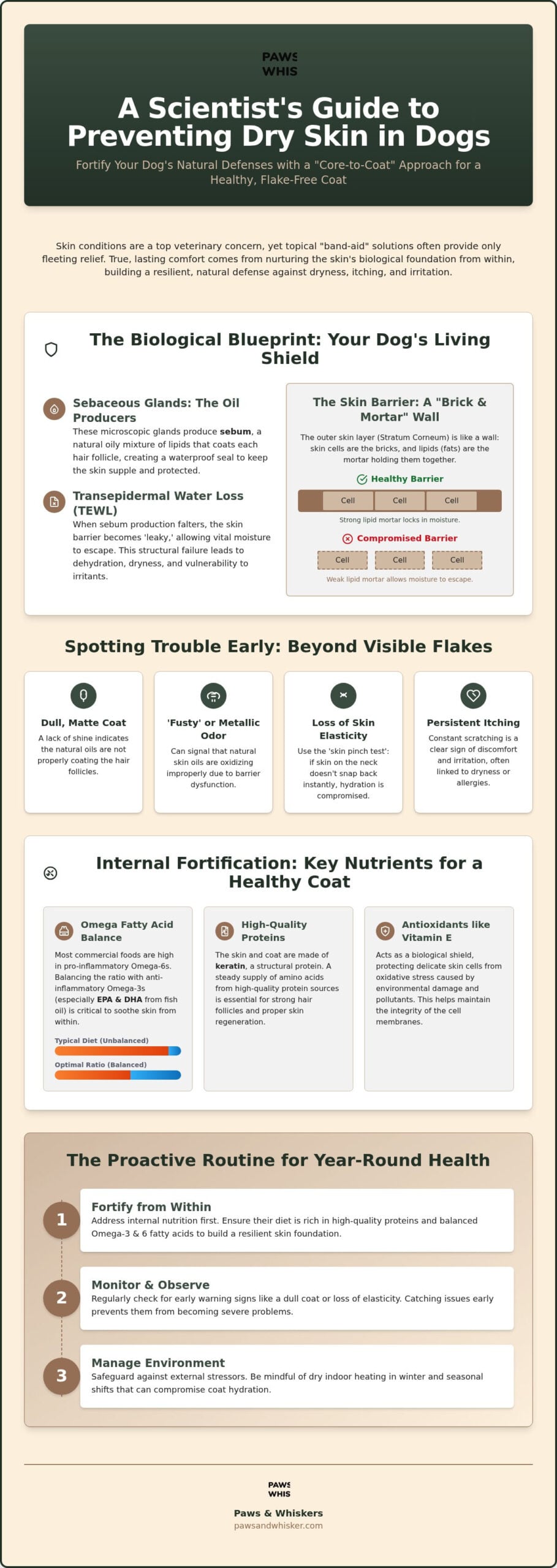
Your dog’s skin is a sophisticated, living shield. It acts as the primary sentinel for their immune system, standing between their internal vitality and a world full of potential irritants. To understand how to prevent dry skin on dogs, we must first look at the sebaceous glands. These microscopic structures produce sebum, a complex mixture of lipids that coats each hair follicle and skin cell. When these glands function optimally, they create a waterproof seal that keeps the coat supple. However, when this production falters, the skin becomes ‘leaky,’ leading to a process known as Transepidermal Water Loss (TEWL). This isn’t just a surface issue; it’s a structural failure that leaves your companion vulnerable to irritation.
A healthy skin barrier feels resilient and moves easily with your dog’s body. In contrast, a compromised barrier allows moisture to escape while letting allergens and bacteria seep in. Understanding this biological blueprint is the most effective way to learn how to prevent dry skin on dogs from the inside out. Maintaining this barrier through a proactive routine for year-round health ensures that the immune system isn’t constantly overtaxed by environmental invaders.
The Stratum Corneum and the Lipid Barrier
Think of the Stratum Corneum, the outermost layer of the skin, as a brick wall. The skin cells, or corneocytes, are the bricks, while the lipids serve as the mortar. If your dog lacks essential fats in their diet, this mortar begins to crumble, creating microscopic gaps in the wall. The lipid barrier acts as a biological seal that locks vital moisture within the deeper dermal layers while repelling external irritants. Without this seal, hydration evaporates into the air, leaving the skin brittle and prone to cracking.
Identifying Early Warning Signs of Barrier Dysfunction
Visible flakes are often the final stage of a long period of barrier dysfunction. You can spot the early signs of trouble by looking for a dull, matte finish on the coat or a loss of skin elasticity. Some owners also notice a ‘fusty’ or slightly metallic odor, which can signal that the natural oils are oxidizing improperly. A simple way to check hydration is the ‘skin pinch test.’ Gently pull up the skin on the back of your dog’s neck; if it doesn’t snap back into place instantly, their cellular hydration is likely compromised. Recognizing these subtle shifts is vital. While some dryness stems from the environment, persistent itching or redness might require more specific allergy relief for dogs to address deeper immune sensitivities.
Internal Fortification: Nutrients That Build Resilient Skin
True resilience begins beneath the surface. While topical treatments offer a temporary fix, the most sustainable way to learn how to prevent dry skin on dogs is through meticulous nutritional fortification. Every skin cell and hair follicle depends on a steady supply of high-quality proteins to produce keratin, the structural protein that gives the coat its strength. Without adequate amino acids, the coat becomes brittle and the skin loses its ability to regenerate. Many owners rely solely on commercial kibble; yet, the high-heat processing of these foods often destroys the volatile fatty acids necessary for skin repair. Adding Vitamin E acts as a biological shield, protecting these delicate cells from oxidative stress and environmental damage. This biological understanding is key to knowing how to prevent dry skin on dogs before it starts.
The Essential Role of Omega-3 and Omega-6 Fatty Acids
Balance is everything in canine biology. While Omega-6 fatty acids are often abundant in pet foods to support growth, they can become pro-inflammatory if not balanced by Omega-3s. A precise ratio is required to shift the body’s internal chemistry toward a soothing, anti-inflammatory state. Specifically, Eicosapentaenoic acid (EPA) and Docosahexaenoic acid (DHA) found in high-potency fish oils directly nourish the dermal layer. These molecules integrate into the cell membranes, making them more fluid and resilient. This structural support is a cornerstone of the AKC guide to canine dry skin, which emphasizes that systemic health dictates external appearance.
Hydration Beyond the Water Bowl
A full bowl of water isn’t always enough to ensure cellular hydration. For moisture to reach the skin, the body needs electrolytes and moisture-rich fresh toppers that facilitate absorption at the cellular level. This process is deeply connected to the Gut-Skin Axis. A balanced microbiome and probiotics ensure that your dog can actually absorb the nutrients you provide. If the gut is inflamed, the skin will mirror that distress regardless of how many supplements you use. For a targeted approach to this internal balance, many pet parents find that Skin & Coat Omega-3 Soft Chews provide the precise lipid profile needed for a radiant, flake-free finish.
Environmental Safeguards: Protecting the Coat from External Stressors
Your dog’s environment often acts as a silent thief, stealing the very moisture you’ve worked so hard to build through internal nutrition. Even a perfect diet cannot entirely shield a coat from the desiccating effects of modern living. Indoor heating and air conditioning systems are designed for human comfort, yet they frequently drop humidity levels to a point where canine skin begins to crack. In many regions, hard water adds another layer of complexity; the high mineral content can bind to natural oils, making them difficult to distribute and leaving the hair shaft brittle. Learning how to prevent dry skin on dogs requires a shift in how we manage these external stressors every day.
Finding the right balance in hygiene is what we call the Goldilocks Rule. Bathing your companion too frequently strips away the essential sebum produced by those vital sebaceous glands we analyzed in the biological blueprint. Conversely, waiting too long allows environmental pollutants and allergens to accumulate, which can trigger inflammation. To maintain a healthy barrier, aim for a bathing schedule that reflects your dog’s activity level and coat type. For most, this means a thorough wash every four to six weeks unless they’ve had a particularly messy outdoor excursion.
Strategic Grooming to Distribute Natural Oils
Daily brushing is one of the most effective, yet overlooked, tools in your proactive care kit. It acts as a mechanical distributor, moving sebum from the base of the hair follicle down the entire shaft to provide a natural, protective coating. Chemistry dictates comfort, but the tool you choose matters just as much. Using a brush with sharp metal bristles can create micro-abrasions on already sensitive skin, leading to further irritation. Opt for soft slicker brushes or silicone tools that massage the skin without breaking the surface. For dogs who are particularly sensitive to water, waterless grooming foams can refresh the coat and remove dander without the drying effects of a full bath.
Bath Time: pH Balance and Ingredient Transparency
The chemistry of a dog’s skin is fundamentally different from our own. While human skin is naturally acidic with a pH around 5.5, canine skin sits closer to a neutral 6.2 to 7.5. Using human shampoo, even gentle varieties, disrupts this delicate balance and can lead to a compromised barrier. When selecting topicals, prioritize ingredient transparency and look for clean-label products that avoid harsh sulfates and artificial fragrances—a principle also championed by Yahreah Skin in their natural skincare and supplement collections. While oatmeal or aloe-based washes are excellent for providing temporary relief to an itchy pup, they are not a long-term strategy for how to prevent dry skin on dogs; they soothe the surface but do not address the underlying structural needs of the lipid barrier.
Strategic Prevention: A Proactive Routine for Year-Round Health
Prevention isn’t a seasonal response to visible flakes; it’s a 365-day commitment to your dog’s biological integrity. Waiting for the first signs of itching to appear often means the skin barrier has already been compromised for weeks. To master how to prevent dry skin on dogs, we must look beyond the coat and address the subtle triggers that accumulate over time. This includes maintaining rigorous parasite protection. Even a single flea bite can trigger Flea Allergy Dermatitis, a condition where the immune system overreacts, causing intense inflammation that strips the skin of its natural moisture and leads to secondary infections. For sensitive dogs, monitoring local pollen counts is just as vital as checking the weather, as environmental allergens can breach a weak barrier and cause systemic dryness.
Routine veterinary check-ups play a clinical role in this proactive strategy. Sometimes, persistent dryness isn’t an environmental or nutritional issue but a symptom of a metabolic shift, such as hypothyroidism. By ruling out these internal triggers early, you ensure your prevention efforts are targeted and effective. Understanding these systemic factors is a key part of learning how to prevent dry skin on dogs through every stage of life. True restoration requires us to be as diligent during the mild months as we are during the harsh ones, creating a baseline of health that can withstand any external pressure.
Seasonal Transition Protocols: Winter vs. Summer
Each season presents unique challenges to the lipid barrier. During winter, the primary enemy is low indoor humidity combined with the abrasive effects of ice and salt. Using specialized paw balms provides a physical shield, while humidifiers can help maintain the 40 to 60 percent humidity range that canine skin prefers. In the summer, thin-coated breeds require UV protection to avoid sun-induced dermal damage, and ‘swimmer’s skin’, which is caused by the drying effects of chlorine or salt water, must be managed with immediate fresh-water rinses. During peak shedding seasons, increasing your dog’s intake of volatile fatty acids helps support the high energy demands of producing a new, healthy coat.
The Role of Stress Management in Skin Integrity
The connection between the mind and the skin is a powerful biological reality. When a dog experiences chronic anxiety, their body releases cortisol, a hormone that can inhibit the production of protective lipids and lead to ‘lick granulomas’ or localized dry patches. This psychosomatic scratching further damages the Stratum Corneum we discussed earlier. Integrating calming chews into their routine can help lower cortisol levels and break the cycle of stress-induced skin damage. By creating a ‘zen’ environment and supporting their emotional well-being, you protect the skin from the inside out. If your companion struggles with environmental stressors, providing targeted Calming & Anxiety Relief Chews can be a vital step in maintaining a resilient, comfortable coat year-round.
Nurturing from Within: The Paws & Whiskers Skin & Coat Solution
We understand that watching your companion struggle with persistent irritation is a heavy emotional burden. Our Skin & Coat Omega-3 Soft Chews serve as the cornerstone of a proactive routine, providing the biological “mortar” your dog needs to stay resilient against environmental stressors. By choosing a formulation with high-potency EPA and DHA sourced from clean, sustainable origins, you are moving beyond temporary “band-aid” fixes and investing in long-term restoration. This internal fortification is the most effective method for anyone seeking how to prevent dry skin on dogs at the cellular level, where health truly begins.
Transparency is the heartbeat of our mission. Many traditional supplements contain hidden fillers or artificial colors that can actually trigger the very sensitivities you are trying to avoid. Our clean-label promise ensures that every chew delivers pure nourishment without unnecessary additives, manufactured in FDA-registered facilities to guarantee safety and efficacy. To maintain the “never-miss-a-dose” consistency required for deep cellular change, our subscription model empowers you to stay prepared as a Wise Caretaker. This reliable approach ensures you have the tools to know exactly how to prevent dry skin on dogs throughout every season of their life.
Why Our Targeted Formulation Wins
The integrity of an ingredient is only as good as the process used to create it. While many brands use high-heat manufacturing that degrades volatile fatty acids, we utilize a cold-pressed method to preserve every vital nutrient. We have also included Vitamin E and Biotin to support the structural integrity of the hair shaft and the dermal layer, ensuring the coat remains as strong as it is shiny. Because these lipids work systemically, our chews also support joint mobility by reducing inflammation throughout the entire body. This holistic benefit proves that when we nurture one part of a family member’s health, we often uplift their entire well-being.
The Journey to a Glossier Tomorrow
Healing is a steady journey, not an overnight destination. The biological process of skin regeneration typically takes 4 to 6 weeks of consistent nutritional support to show visible results on the surface. We encourage you to document the transformation with photos to see the shift from dullness to a radiant, healthy glow. By committing to this science-backed routine, you are giving your dog the gift of lasting comfort and physical vigor. Nurture your dog’s skin with our Skin & Coat Omega-3 Soft Chews and witness the restoration of their natural vitality through the power of pure, intentional nutrition.
A Radiant Future for Your Companion’s Coat
You now possess the scientific framework to transition from reactive treatment to proactive care. By fortifying the internal lipid barrier and managing environmental stressors, you can finally break the cycle of discomfort for your dog. Understanding how to prevent dry skin on dogs isn’t just about topical relief; it’s about providing the specific nutrients, such as EPA and DHA, that allow the skin to heal from the inside out. Your role as a Wise Caretaker is to ensure this cellular resilience remains consistent through every season and transition.
Our vet-approved formula is manufactured in FDA-registered facilities, ensuring that every soft chew meets the highest standards of safety and efficacy. We rely on 100% clean-label, natural ingredients because your companion deserves pure nourishment without compromise. Nurture your dog’s coat with our science-backed Skin & Coat Omega-3 Soft Chews and begin the journey toward a glossier, flake-free tomorrow. Your dedication today is the foundation for their comfort and vitality for years to come.
Frequently Asked Questions
Can I give my dog coconut oil to prevent dry skin?
Coconut oil serves best as a topical spot treatment rather than a primary preventive supplement. While it contains medium-chain fatty acids, it lacks the high-potency EPA and DHA found in marine oils which are necessary for structural barrier repair. Excessive oral intake can also lead to digestive distress or unwanted weight gain in some animals, so it’s better to rely on targeted Omega-3 sources for systemic health.
How often should I bathe a dog with dry skin?
For a dog already experiencing dryness, limit bathing to once every four to six weeks. Frequent washing strips the sebaceous glands of the protective oils they work so hard to produce, leading to a “leaky” skin barrier. When a bath is necessary, always choose a soap-free, pH-balanced formula that respects the unique chemistry of canine skin rather than human alternatives that can cause further irritation.
Is dry skin on dogs always caused by allergies?
Dryness is not always a sign of allergies. While sensitivities are a common trigger, flaking can also result from environmental factors like low humidity or systemic issues such as thyroid dysfunction. Identifying whether the cause is external or metabolic is a crucial step in learning how to prevent dry skin on dogs before it leads to chronic discomfort or secondary infections.
What are the best vitamins to prevent dry skin in dogs?
Vitamin E and Biotin are the cornerstone vitamins for maintaining a resilient coat. Vitamin E provides a biological shield against oxidative stress at the cellular level, while Biotin supports the synthesis of keratin, the protein responsible for hair strength. These nutrients work in tandem with Omega-3 fatty acids to ensure the skin remains supple and resistant to cracking or environmental damage.
Can a humidifier help my dog’s dry skin in the winter?
Maintaining a humidifier in your home is an excellent way to support your dog’s skin during the winter. Keeping indoor humidity levels between 40% and 60% helps stop the dry air from pulling moisture directly out of your dog’s dermal layers through Transepidermal Water Loss. This environmental safeguard is a simple but powerful tool for anyone wondering how to prevent dry skin on dogs during the coldest months.
How long does it take for supplements to improve a dog’s dry skin?
Visible changes in coat quality and skin hydration generally require 4 to 6 weeks of consistent supplementation. This duration is dictated by the biological cycle of skin cell turnover and regeneration we explored in the earlier sections. To ensure lasting restoration, it is vital to maintain a steady routine so the internal lipid levels remain stable and the new skin cells are properly fortified.
Is dandruff on dogs the same as dry skin?
Dandruff is simply the visible manifestation of a compromised skin barrier. When the lipid “mortar” between skin cells fails, those cells shed prematurely as white flakes rather than remaining part of a smooth, supple surface. While dandruff is a symptom, the underlying issue is almost always a lack of cellular hydration and essential fats within the Stratum Corneum that requires internal fortification.
When should I see a vet for my dog’s dry skin?
Professional veterinary guidance is necessary if the skin appears inflamed, has a foul odor, or shows signs of secondary infection like oozing. If your companion is experiencing hair loss in patches or scratching so intensely that they break the skin, it is time to rule out clinical conditions like mange or hypothyroidism. These symptoms often require medical intervention and diagnostic testing beyond standard nutritional support.
Disclaimer
The information provided in this article is for educational and informational purposes only and is not intended as veterinary advice. Every dog is unique, and health concerns should be discussed with a licensed veterinarian. Always consult your veterinarian before introducing new supplements, changing your dog's diet, or beginning any health or wellness program, particularly if your dog has a medical condition, is pregnant or nursing, or is taking prescription medications.